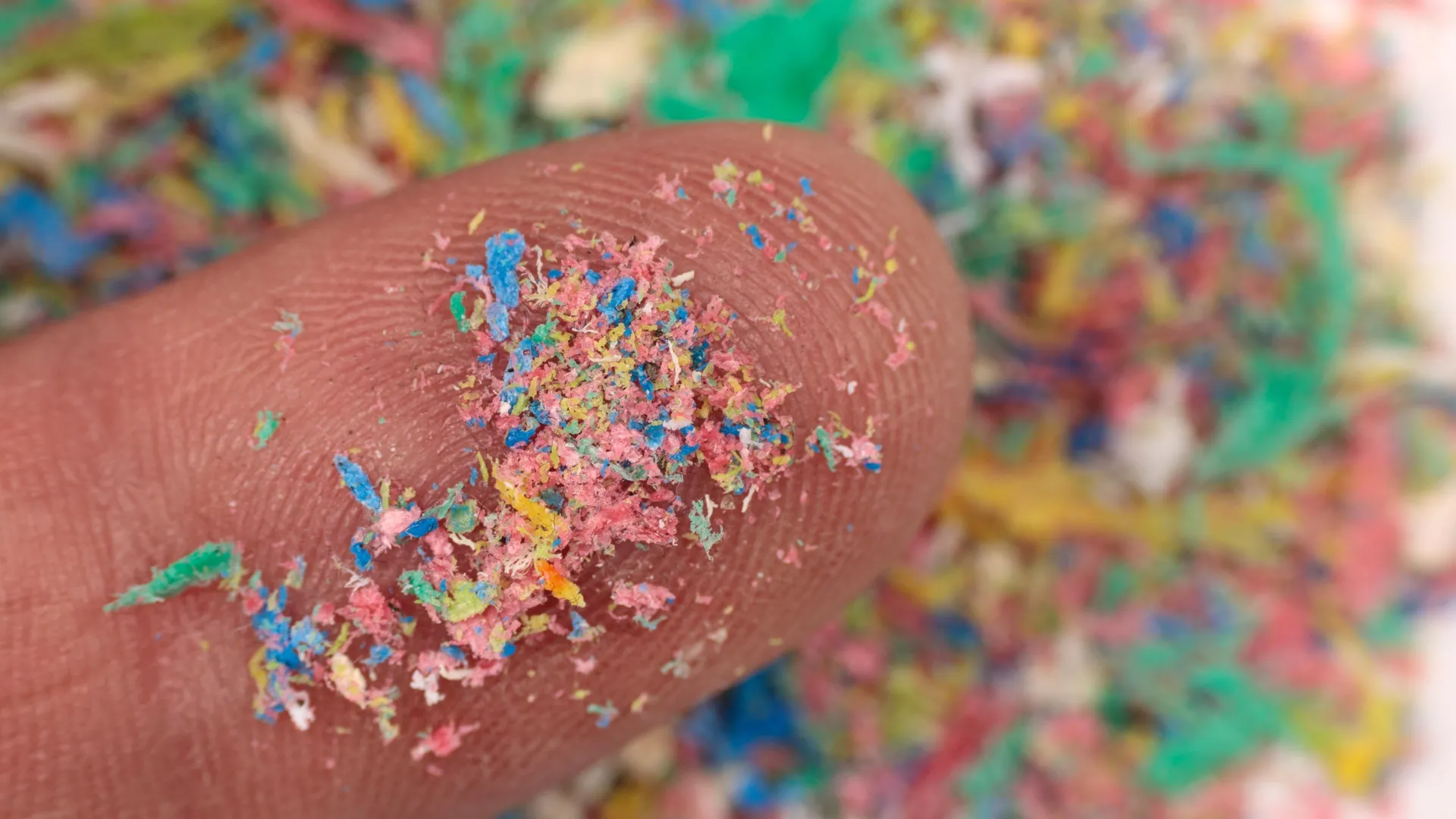
The atmosphere plays a major role in spreading microplastics across the planet, carrying these tiny particles to even the most remote regions. People and animals can inhale them, raising concerns about potential health effects. Once airborne, microplastics can also fall back to Earth, adding to pollution in oceans and soils around the world. A new study from the Department of Meteorology and Geophysics at the University of Vienna provides a clearer picture of where these airborne microplastics come from. Using global measurements and computer models, the researchers estimate emissions from both land and ocean sources. Their key finding is striking: more than 20 times as many microplastic particles are released into the air from land than from the ocean. The study was recently published in Nature. Sources of Airborne Microplastics Scientists have long known that microplastics are present in the atmosphere worldwide. These particles eventually settle in distant and isolated locations.…