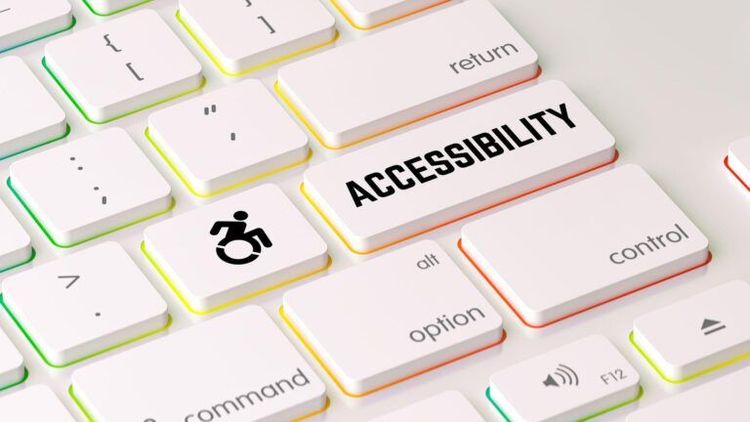
Artificial intelligence is rapidly reshaping the software development landscape. AI-assisted coding tools and large language models (LLMs) are increasingly being integrated into everyday engineering workflows, helping developers accelerate code generation, automate routine tasks, produce documentation, and support problem-solving activities across the software development lifecycle. This growing adoption has also extended into web accessibility, where developers are beginning to rely on AI-generated recommendations to help implement accessibility best practices and address compliance requirements. Accessibility has not been left behind. Developers increasingly rely on AI assistants to generate accessible HTML, recommend ARIA attributes, create keyboard interactions, and flag accessibility violations. At first glance, this looks like a genuine leap forward. Accessibility expertise is scarce, WCAG guidelines are notoriously difficult to interpret, and teams face constant pressure on time and resources.…