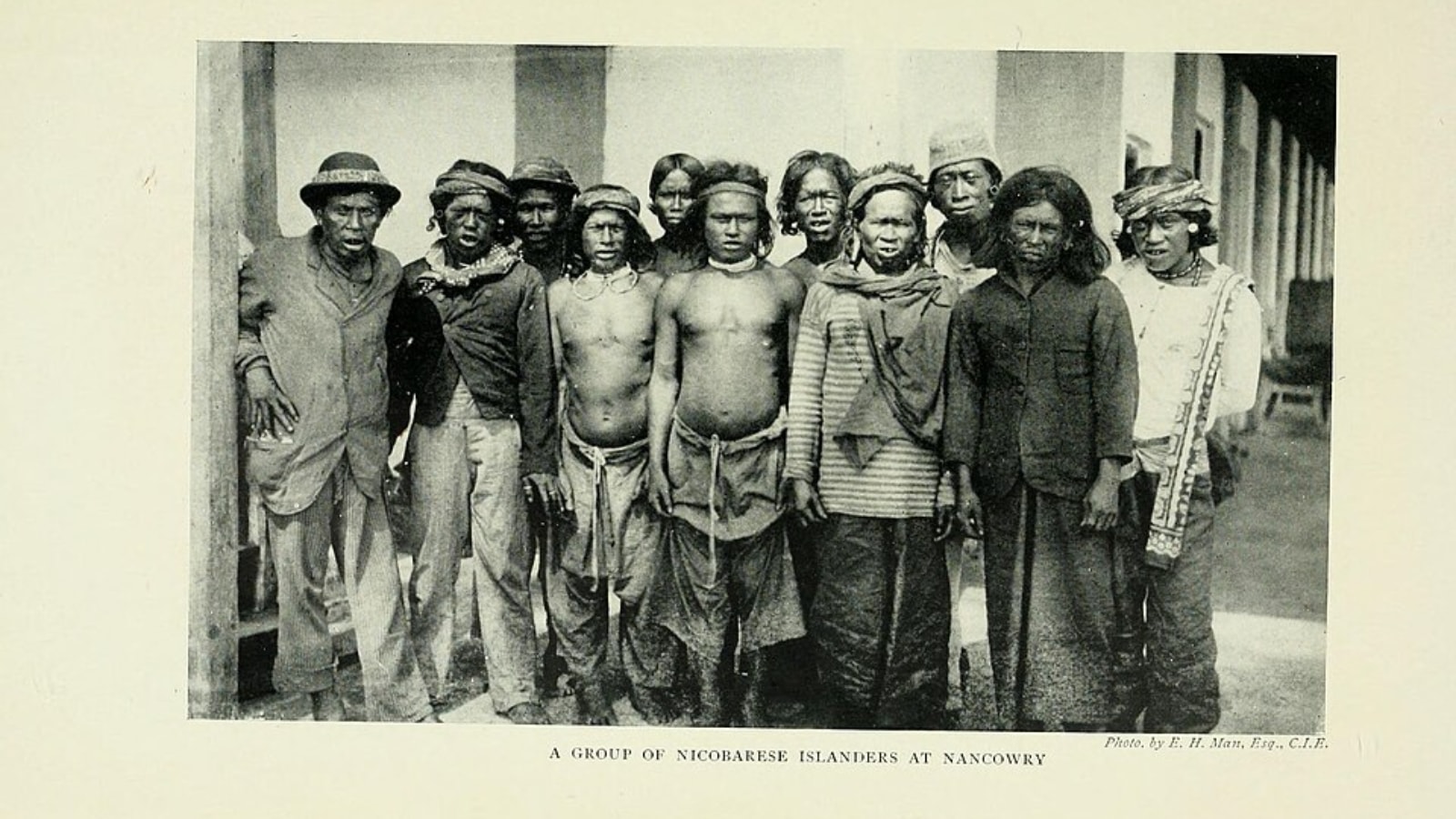
The proposal to build an international transhipment port, an airport, and a 160-square-kilometre township on Great Nicobar — promising to remake the island as India’s “Singapore or Hong Kong”— has the makings of an ecological disaster. Marketed as a deep-draft port positioned to outpace regional competitors, the Rs 72,000-crore project is fraught with logistical, safety, and economic contradictions. Except for seven revenue villages on the east coast, the island is a reserve for two indigenous communities: The Shompen, a Particularly Vulnerable Tribal Group (PVTG) numbering just 229 according to the 2011 Census, and the Southern Nicobarese, a Scheduled Tribe of about 1,200 people. The destruction of their ancestral forest will not only have environmental costs, but it will also mean the annihilation of a people’s living space, culture, and future. Great Nicobar is part of the Sundaland Biodiversity Hotspot, one of only four in India, and was declared a UNESCO Biosphere Reserve in 2013.…