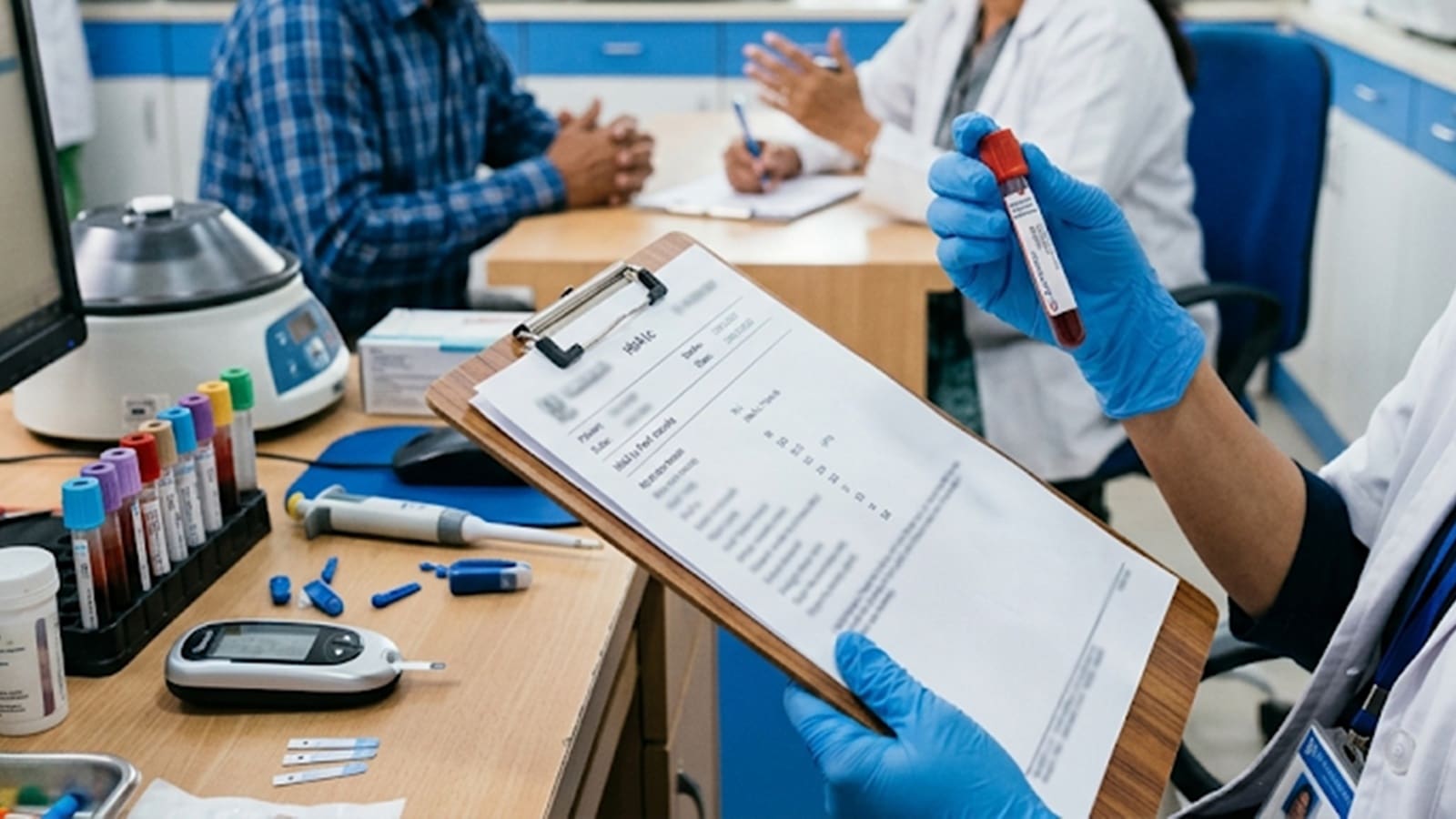
HbA1c tests are widely used to assess long-term blood sugar control and play a major role in diagnosing and monitoring diabetes. However, misconceptions about what can affect HbA1c readings continue to circulate online, particularly around whether extremely high blood sugar levels themselves can make the test unreliable. Neurologist Dr Sudhir Kumar recently addressed this topic in a detailed post on X, where he attempted to separate theory from clinical reality. He wrote, “Myth-busting: HbA1c & extreme hyperglycemia ❌ Myth: “Very high blood sugar makes HbA1c unreliable in routine practice.” ✅ Truth: It is biochemically possible, but rarely clinically relevant.” Explaining the science behind it, he noted that glucose initially forms a reversible intermediate known as labile HbA1c, which reflects short-term glucose exposure over hours or days rather than long-term control.…