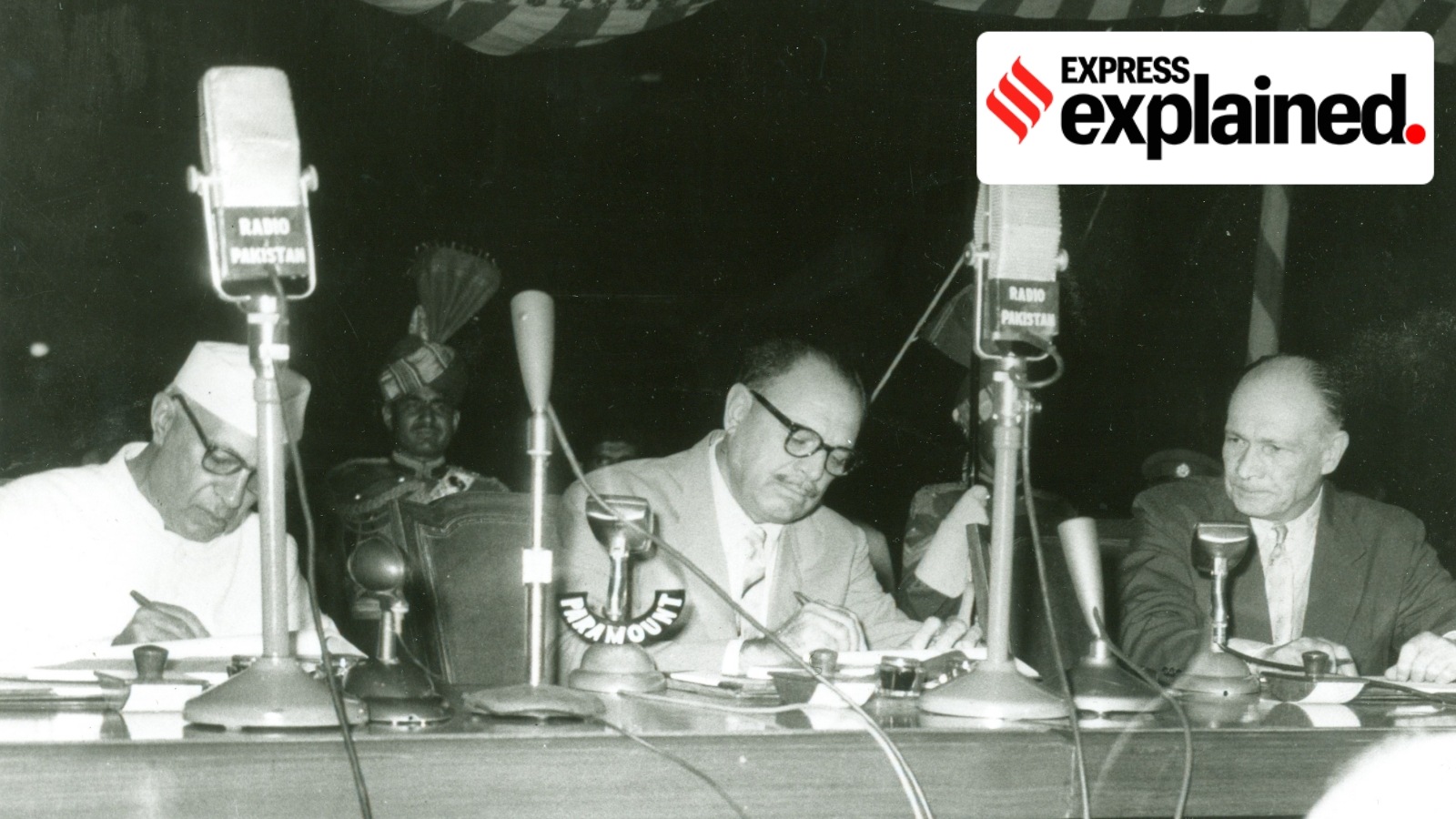
It’s been more than a year since India, in response to the terrorist attack in Pahalgam last April, decided to keep the Indus Waters Treaty (IWT) with Pakistan “in abeyance”. That decision means that India, at least for the time being, does not consider itself bound by the provisions of the 1960 Treaty that has, thus far, governed the sharing of waters of six major transboundary rivers — Indus, Jhelum, Chenab, Ravi, Sutlej, and Beas — flowing through the two countries. India’s decision has resulted in disruption of normal flows reaching Pakistan. In the past year, this has been the most thorny issue in the already-troubled bilateral relationship. Pakistan has spent the last year making efforts to build an international legal case against India on the Indus Waters Treaty, and seeking intervention of the United Nations (UN), the International Court of Justice (ICJ), the World Bank, and other third-party agencies.…