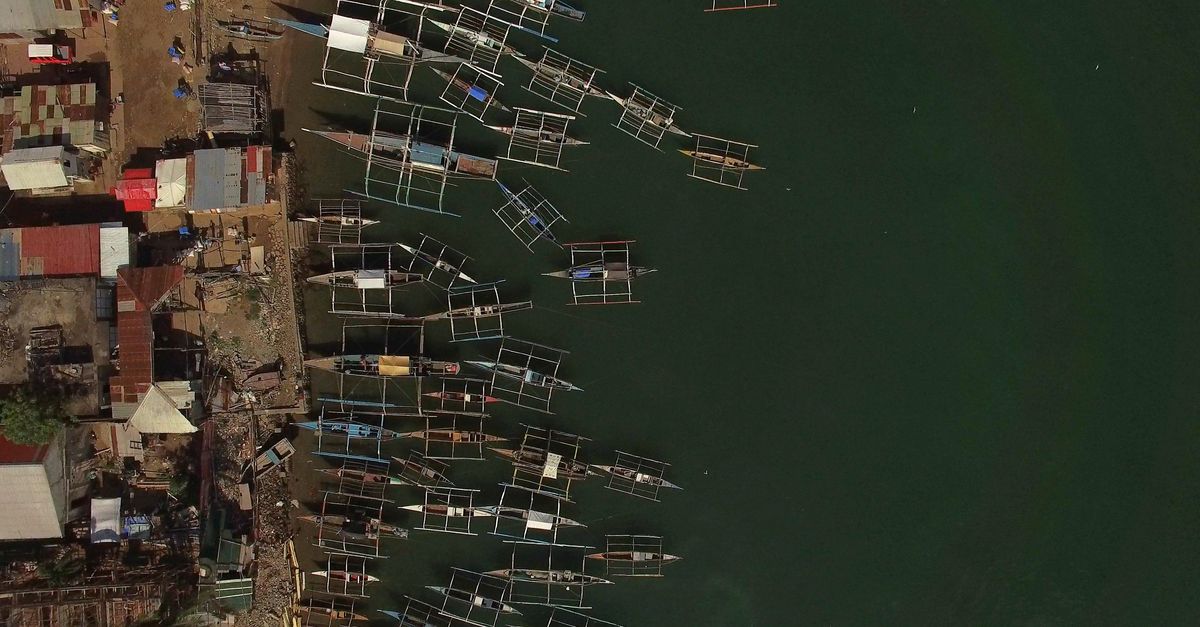
The fishing industry is facing a reckoning. Journalists and researchers in recent years have uncovered slavery, child labor and human trafficking on fishing vessels, spurring a global push to address human rights abuses on the high seas . However, what happens after the fish are caught has remained largely hidden. According to researchers, millions of onshore fish workers — predominantly women — spend long hours cleaning and packaging fish in factories, maintaining community fish farms and often filling low-paying positions throughout seafood supply chains around the world. And in these roles, they face a different — but equally egregious — suite of human rights abuses, the researchers write in a recent paper . In an interview, Conservation News spoke to the paper’s lead author, Conservation International scientist Elena Finkbeiner, about the hardships that women endure in the fishing industry — and the steps needed to address them. Question: Fishing is widely considered a male-dominated industry.…