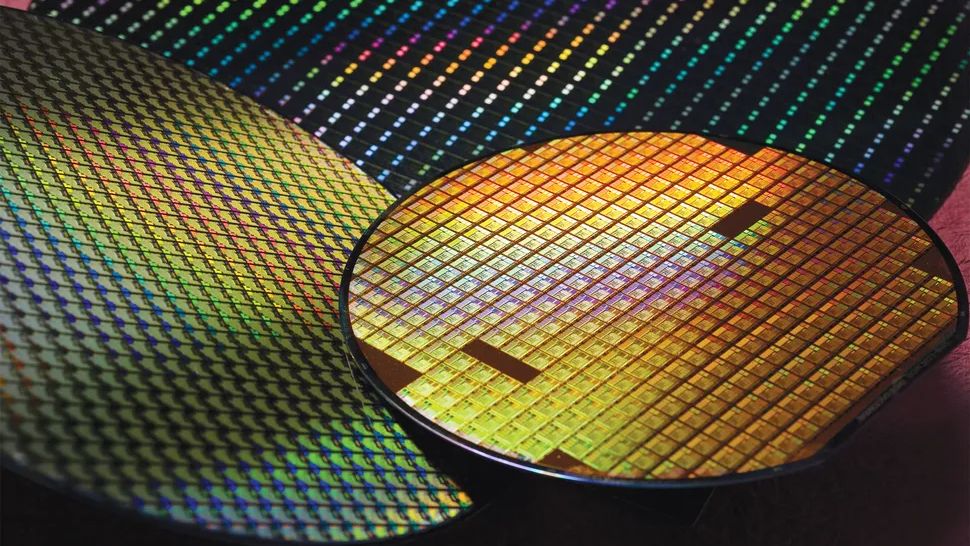
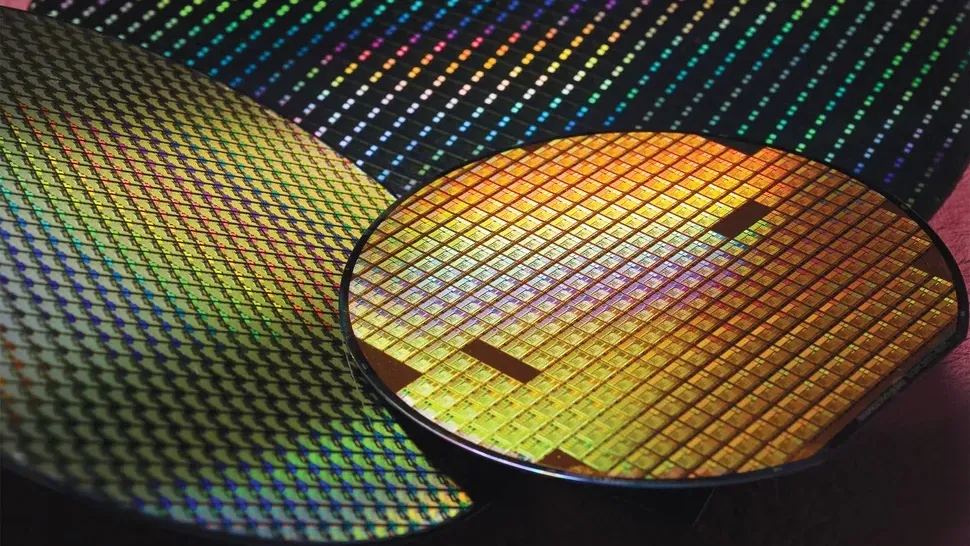
(Image credit: TSMC) As chipmakers push EUV lithography toward its physical limits at 2nm and below, the advanced chemicals used to pattern those circuits have become a critical bottleneck. Photoresists, the light-sensitive materials that transfer circuit designs onto silicon wafers, must be reformulated for each new process node, and the most advanced EUV-grade resists are produced almost exclusively by a handful of Japanese suppliers. With AI chip demand driving record orders at leading foundries, those suppliers are now racing to build production capacity closer to their biggest customers. JSR, the Japanese chemical maker that holds roughly a quarter of the global photoresist market, established a joint venture with Taiwanese partners Wah Lee Industrial and LCY Chemical in early April to build its first photoresist production facility in Taiwan .…