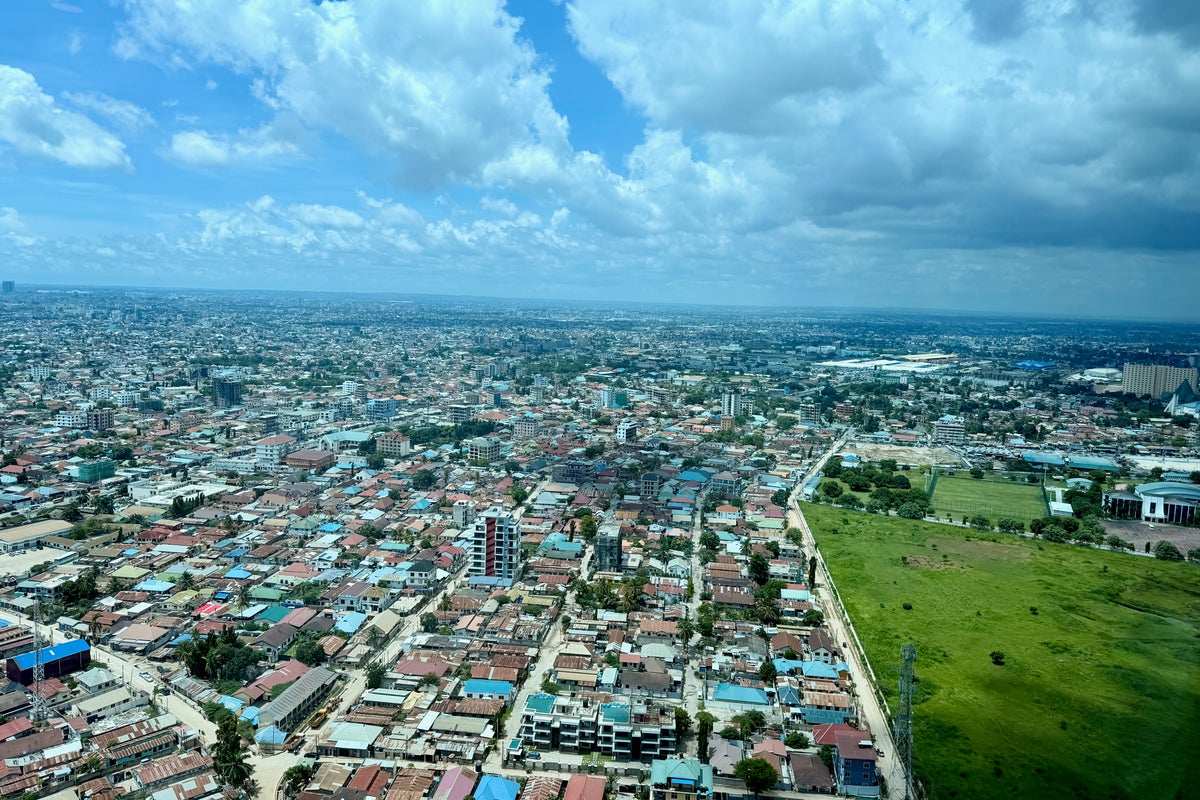
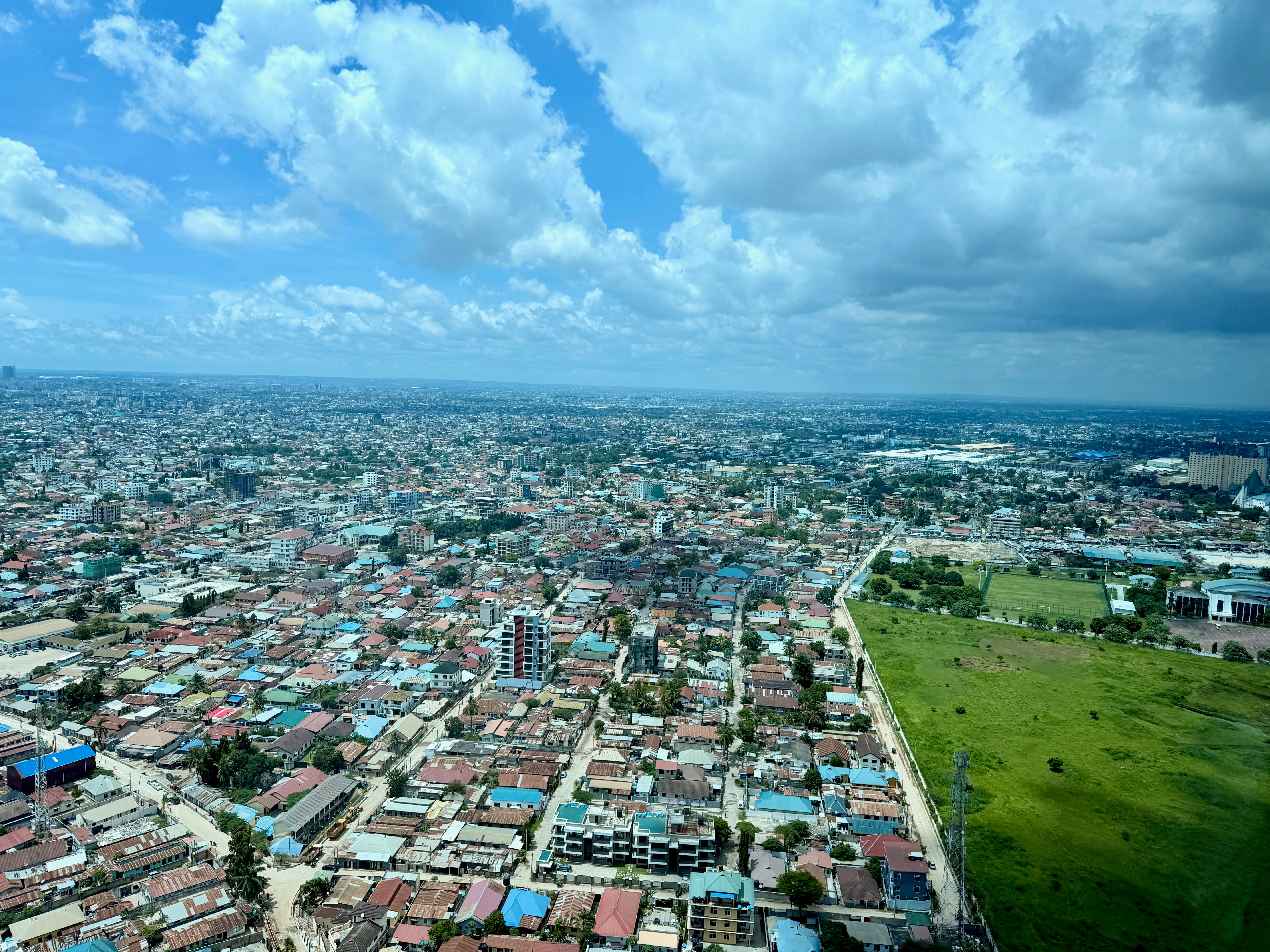
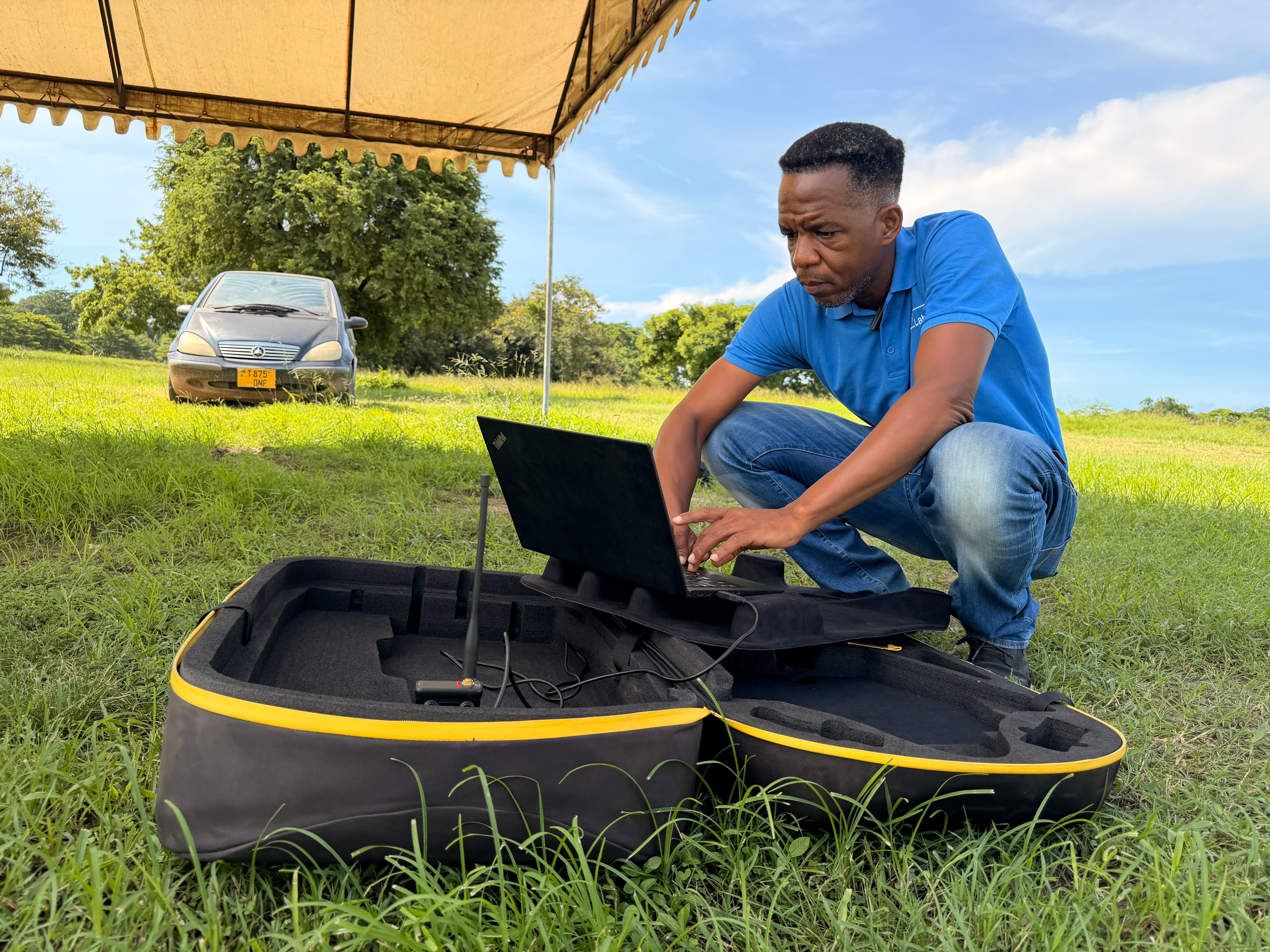
O n an oppressively hot day in Tanzania ’s largest city Dar Es Salaam, Leka Tingitana, the director of aerial research company Tanzania Flying Labs, walks out to the middle of a university cricket field and launches a drone into the bright blue sky. The $20,000 (£15,000) Swiss-made devic e circles a patch of sky, precisely mapping out a one kilometre squared section of the city below. That map will in turn form a small section of a larger project mapping possible mosquito breeding sites across the city of roughly eight million people , with the final product becoming a key tool to fight malaria as climate change increases the risk of this deadly disease. Warming temperatures are having a “catastrophic” impact on Africa’s malaria caseload, says Dr Sarah Moore, who works at Tanzania’s Ifakara Health institute evaluating mosquito-control products like bed nets and repellants. “The weather on the continent is expected to be wetter and warmer,” she says.…
.jpeg)
.jpeg)