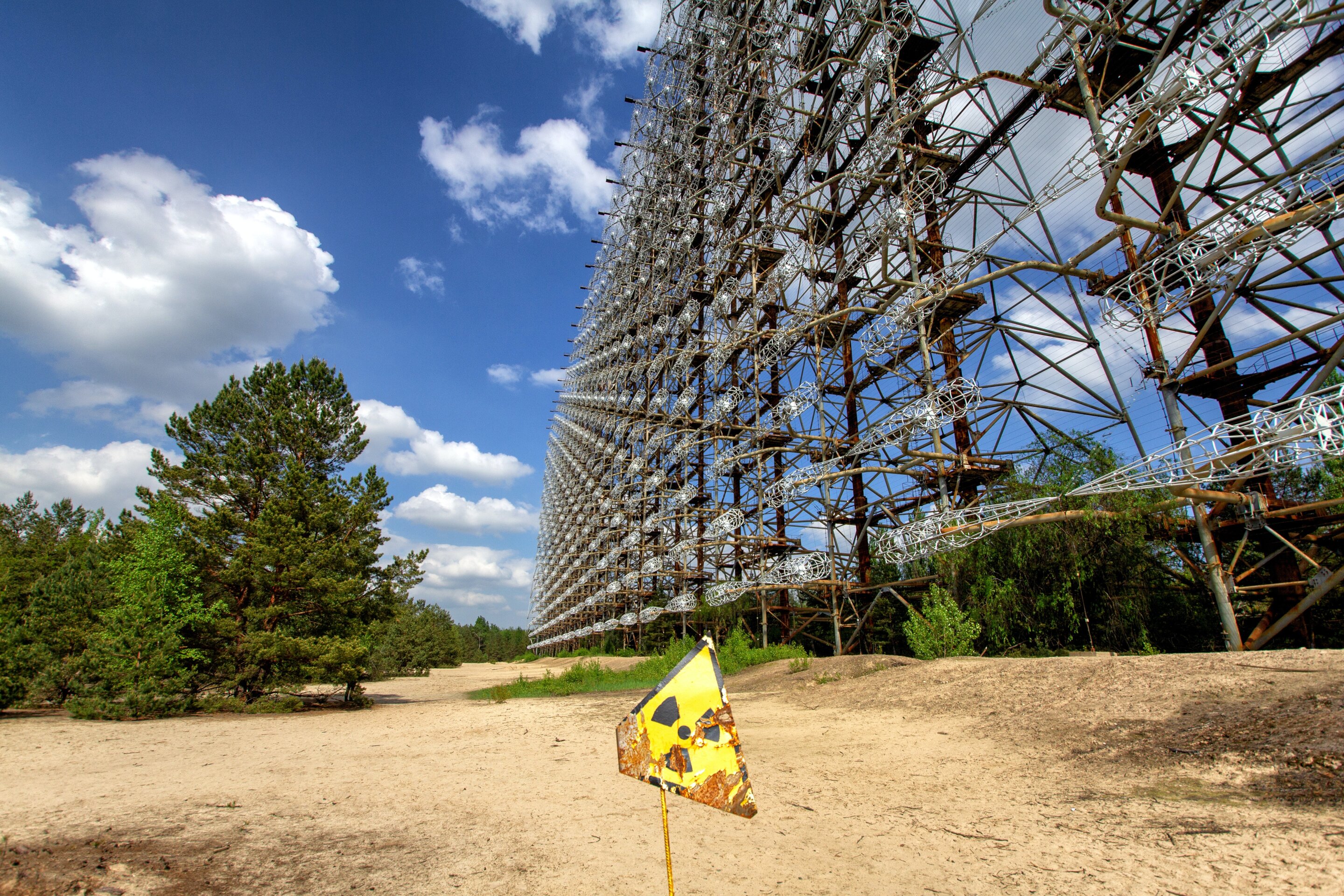
Credit: Unsplash/CC0 Public Domain "Dogs at Chernobyl are now genetically distinct … thanks to years of exposure to ionizing radiation, study finds." That's just one of many similar headlines that appeared in response to a scientific study published a few years back. They present a compelling story of radiation, mutation and survival against the odds. But the underlying science didn't actually show any genetic differences were caused by radiation. The idea of "radioactive dogs of Chernobyl" is better understood as a modern scientific myth. Indeed, our appetite for scare stories about mutant animals is obscuring the reality: the most significant and fascinating thing about the animals there is the absence of humans, not the presence of radiation. Forty years after the Chernobyl explosion , the controversy over how the accident affected people and ecosystems goes on. I've been studying the environmental impacts of the disaster since I began my Ph.D.…