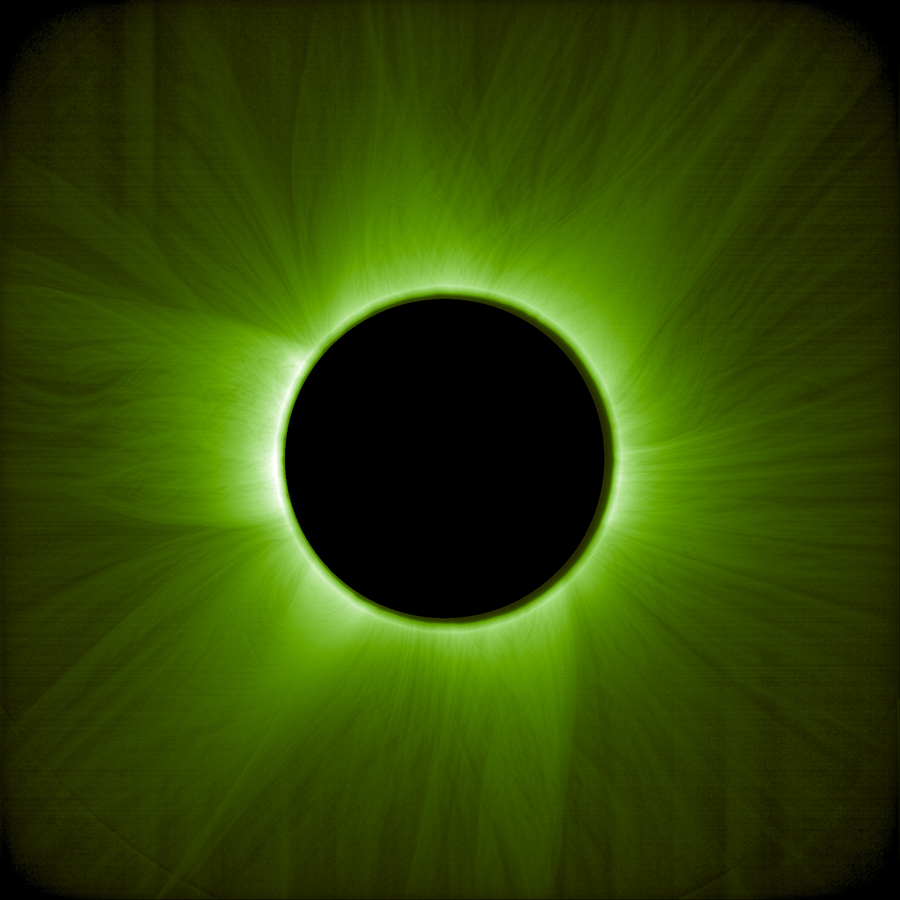
The Proba 3 mission flies two spacecraft in precise formation to create an artificial eclipse and obtain close views of the solar wind as it leaves the Sun. The solar corona, as viewed by Proba 3’s ASPIICS coronagraph. ESA A total solar eclipse seen from Earth is one of the best ways to study the Sun’s extremely hot inner corona. This region cannot be studied under normal conditions as it’s very close to the Sun's surface, which is so bright that it blinds normal telescopes. During total eclipses, however the Moon blocks the solar disk just right, so astronomers can observe the faint plasma structures that emerge from the solar limb. This ideal setup has however one important drawback. Total solar eclipses occur about every 18 months somewhere on Earth, and they only last a few minutes. But what if scientists could create an artificial solar eclipse every time they wanted? That’s the idea behind the European Space Agency’s Proba 3 mission .…