Menu

Post image 1
Post image 2
Post image 3
Post image 4
Post image 5
Post image 6
Post image 7
Post image 8
Post image 9
Post image 10
Post image 11
Post image 12
Post image 13
Post image 14
Post image 15
Post image 16
Post image 17
Post image 18
Post image 19
Post image 20
Post image 21
Post image 22
Post image 23
Post image 24
Post image 25
Post image 26
Post image 27
Post image 28
Post image 29
Post image 30
Post image 31
Post image 32
Post image 33
Post image 34
Post image 35
Post image 36
Post image 37
Post image 38
Post image 39
Post image 40
Post image 41
Post image 42
Post image 43
Post image 44
Post image 45
Post image 46
Post image 47
Post image 48
Post image 49
Post image 50
Post image 51
Post image 52
Post image 53
Post image 54
Post image 55
Post image 56
Post image 57
Post image 58
Post image 59
1 / 59
0

LLM Observability with Self-Hosted Langfuse and vLLM - PyImageSearch

PyImageSearch·Vikram Singh·3 days ago
#5idJttmf
Reading 0:00
15s threshold

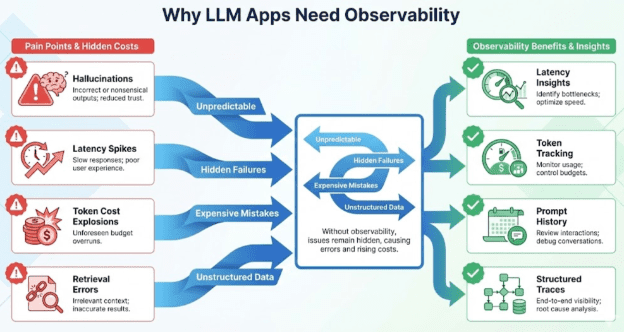
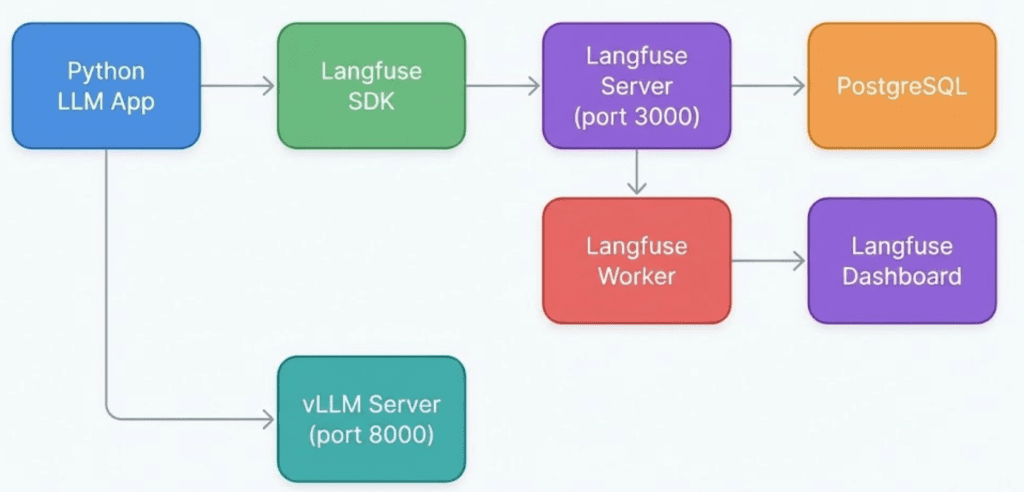
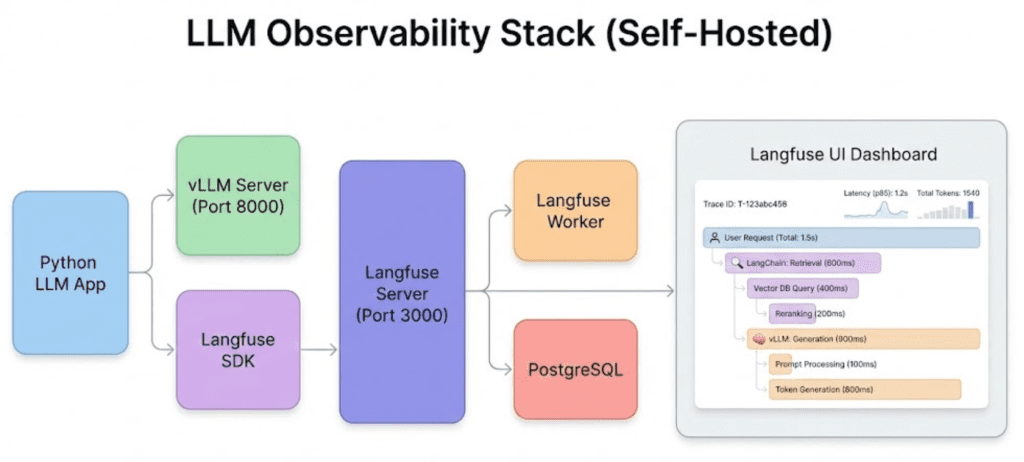
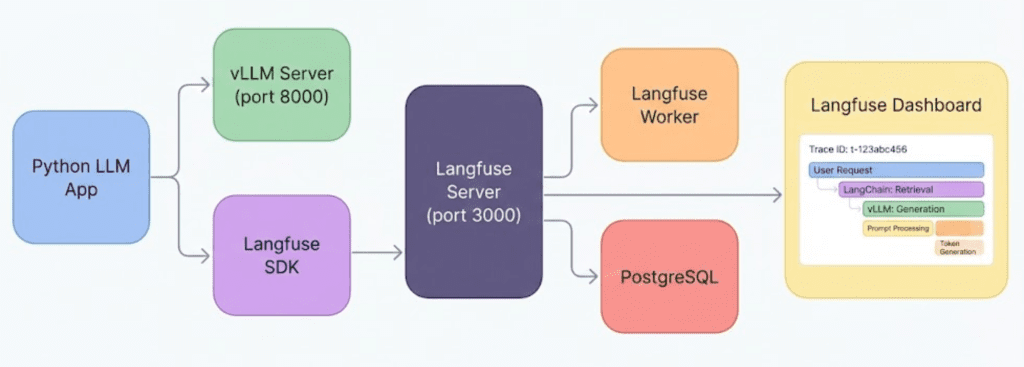
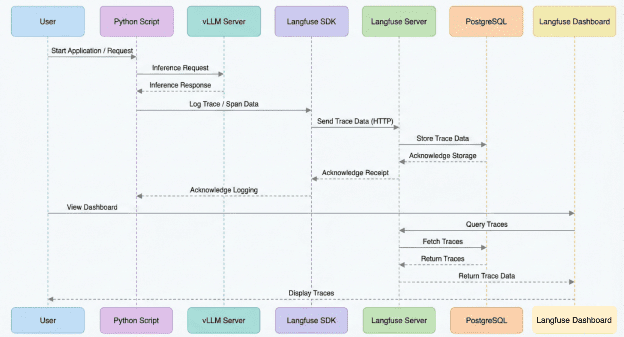
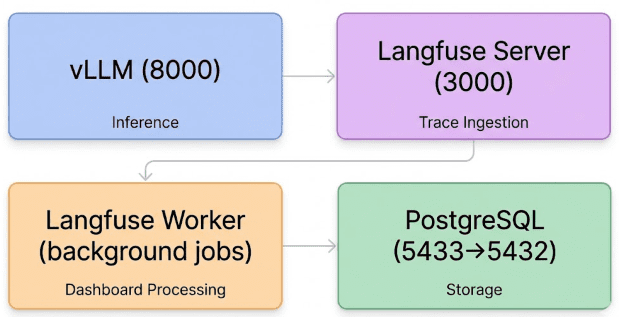
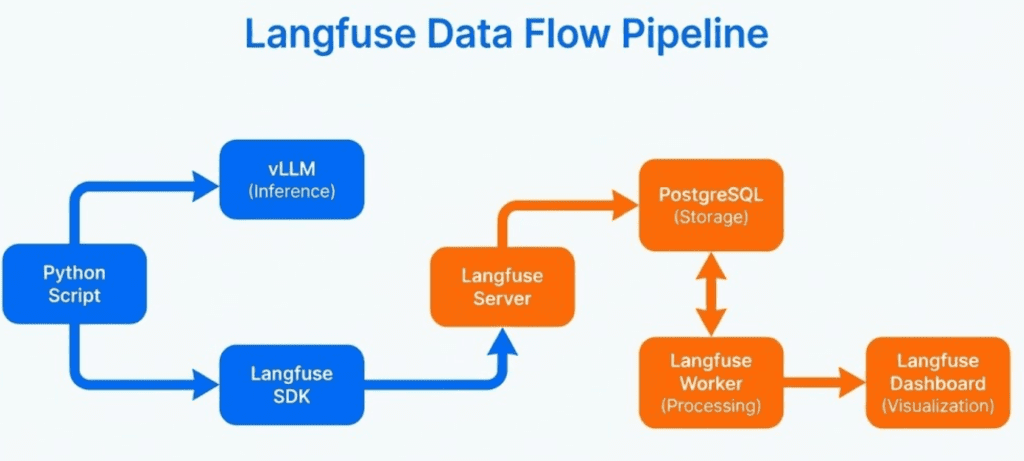
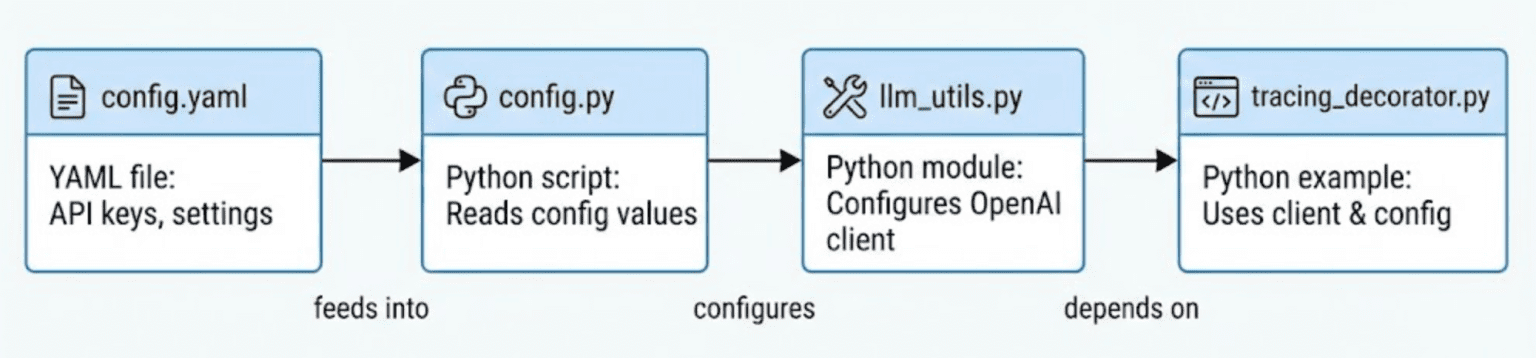
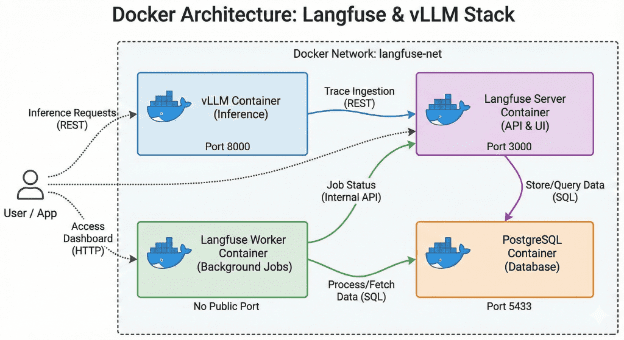
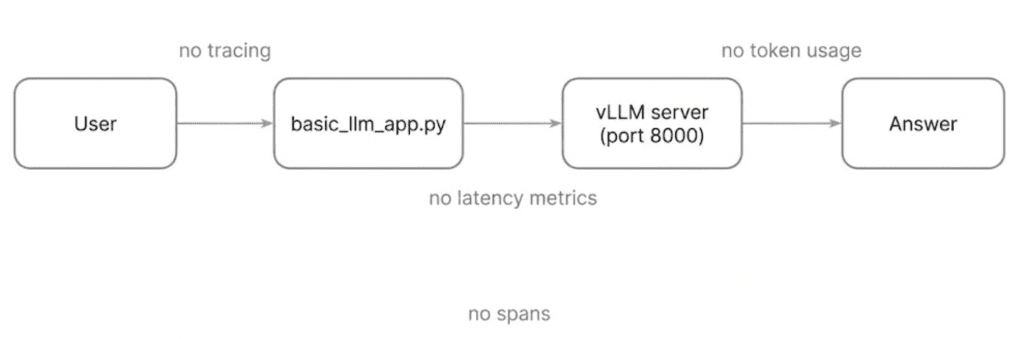
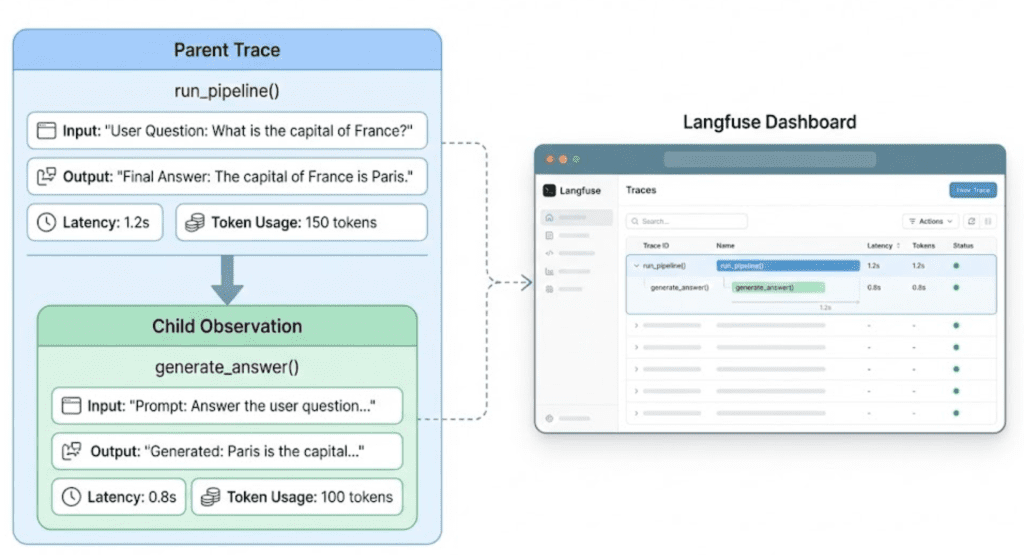
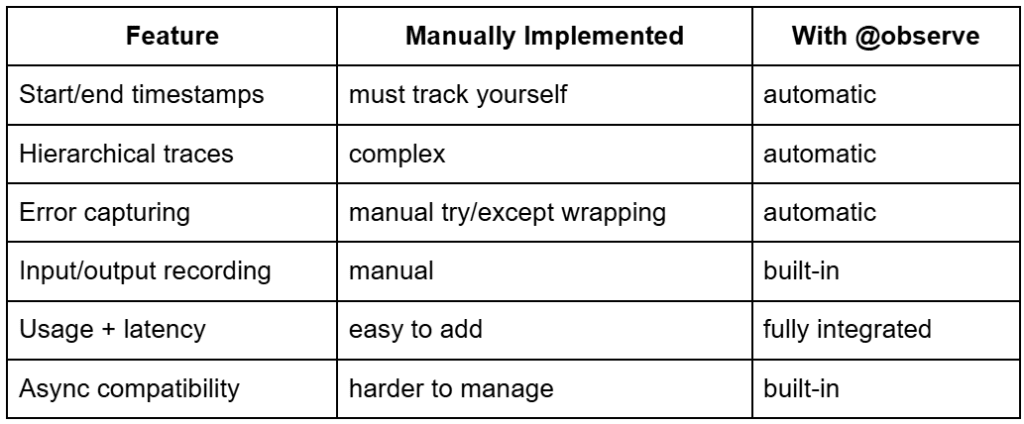
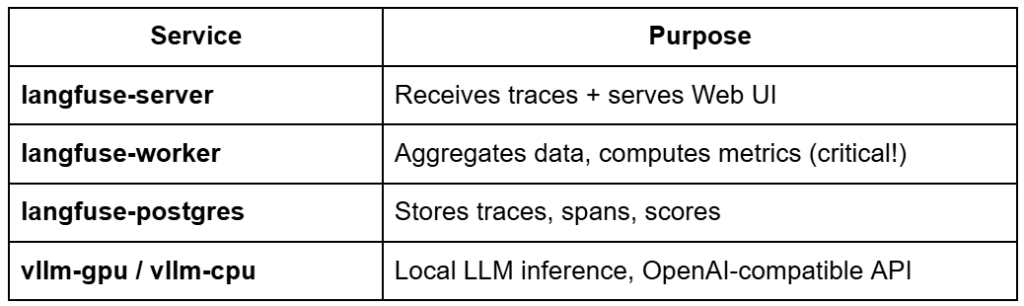
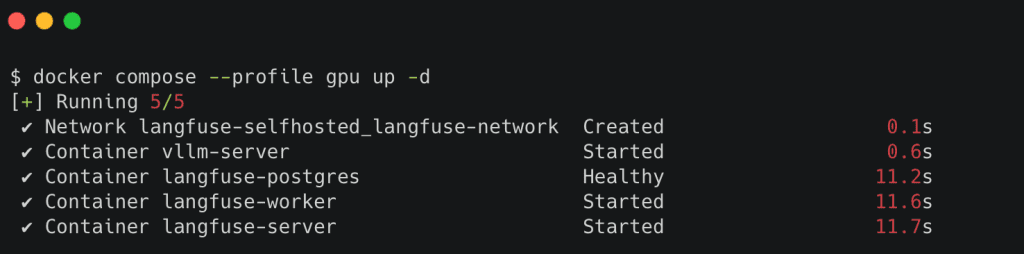
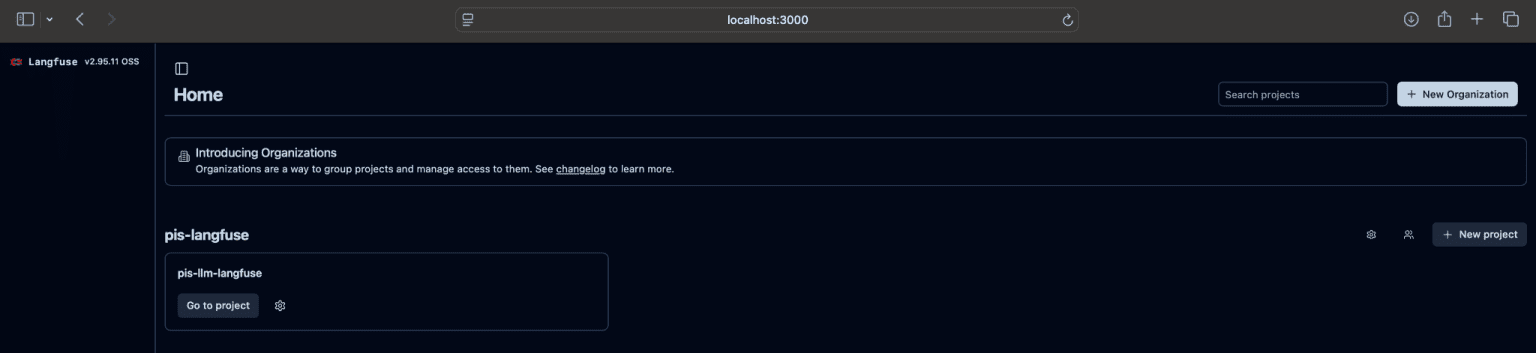
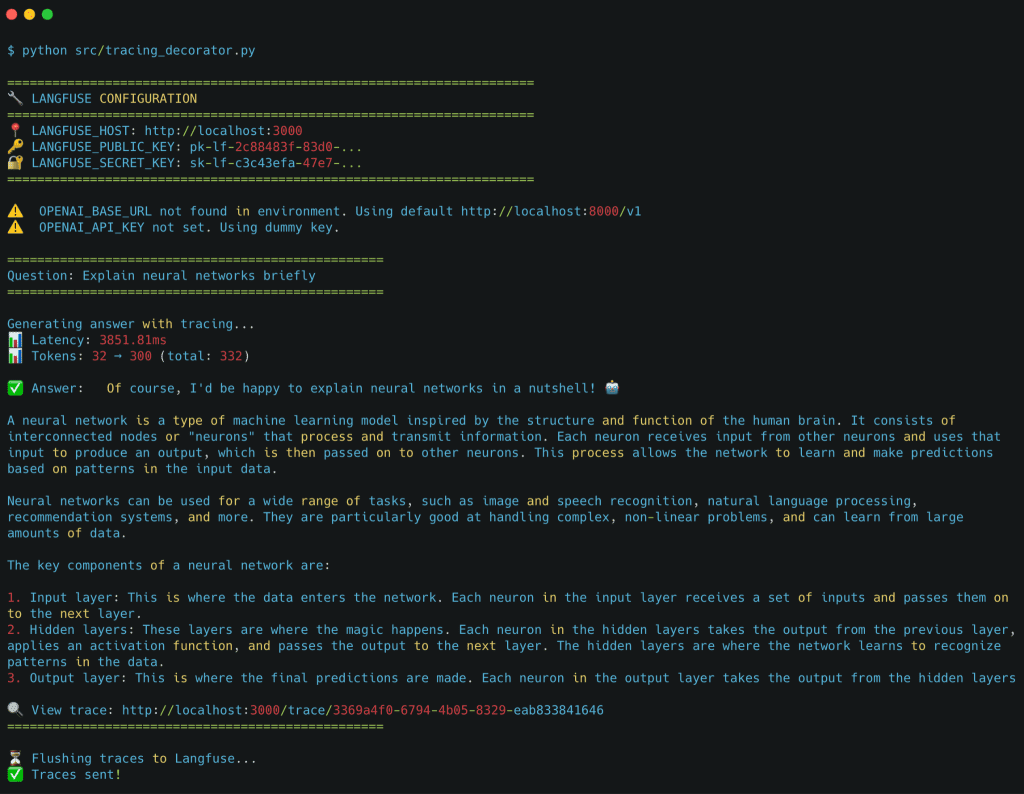
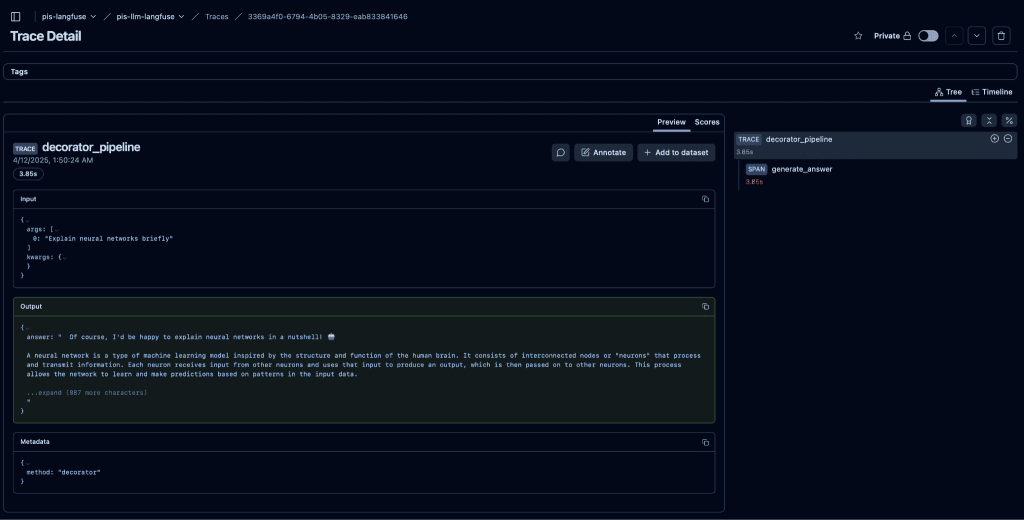
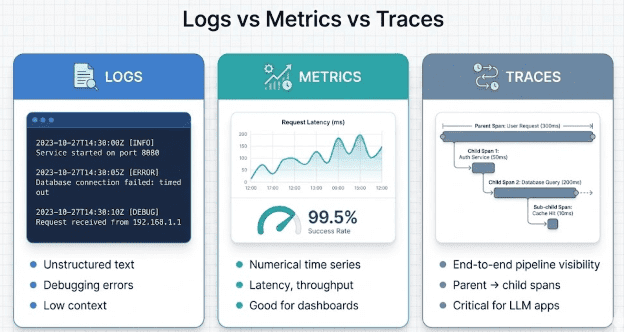
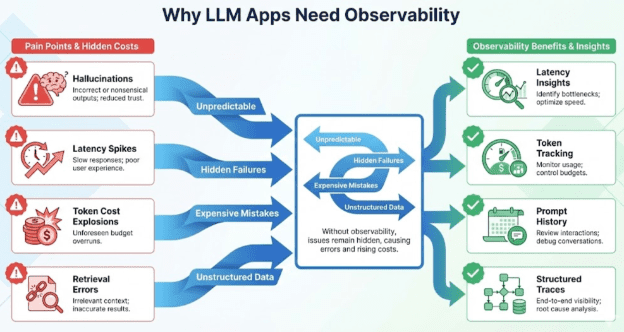
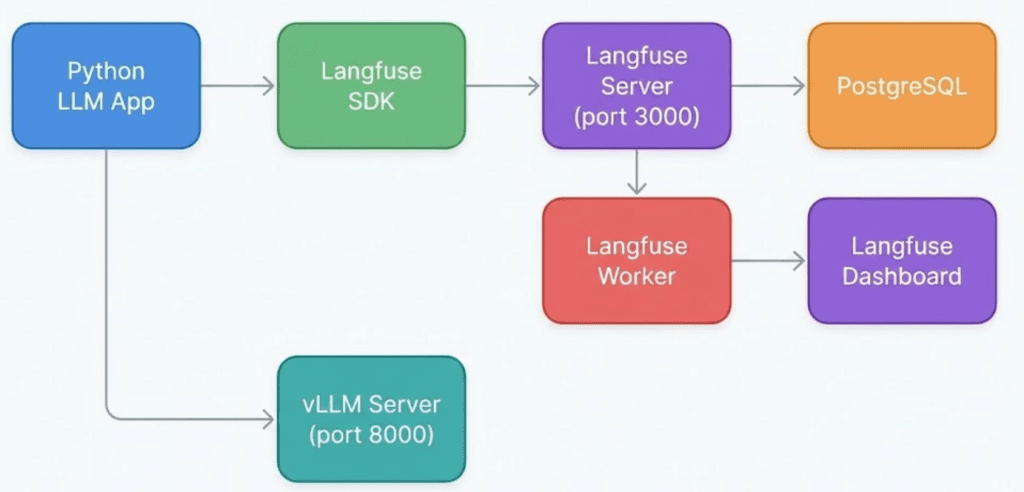
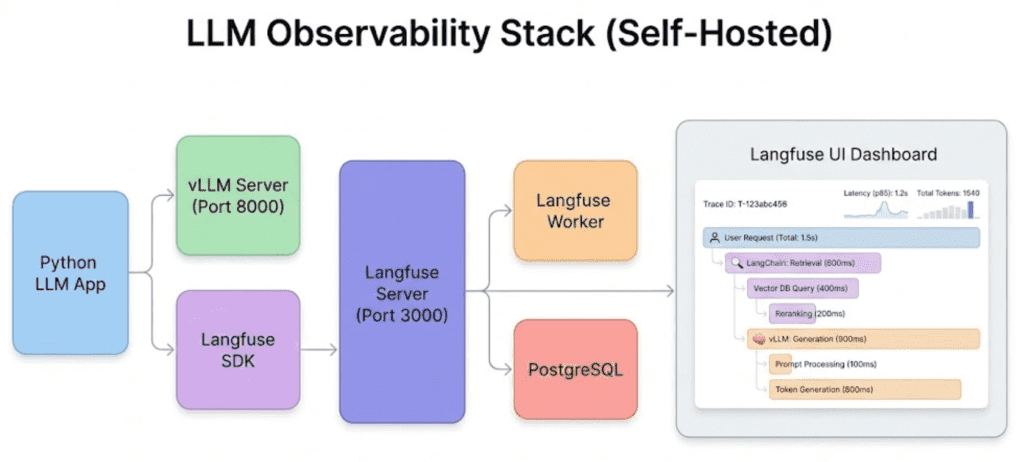
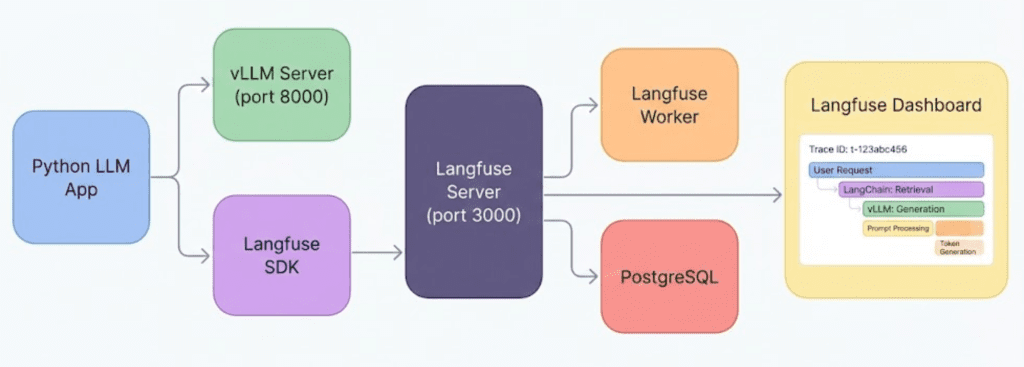
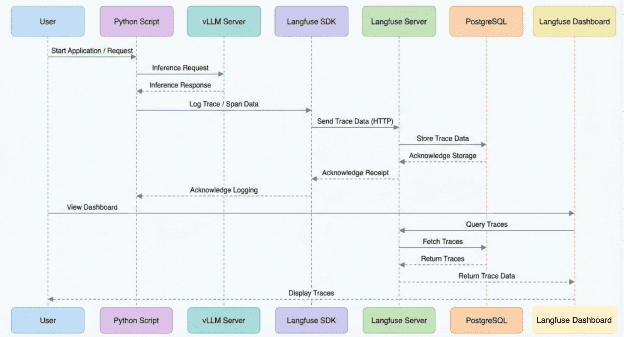
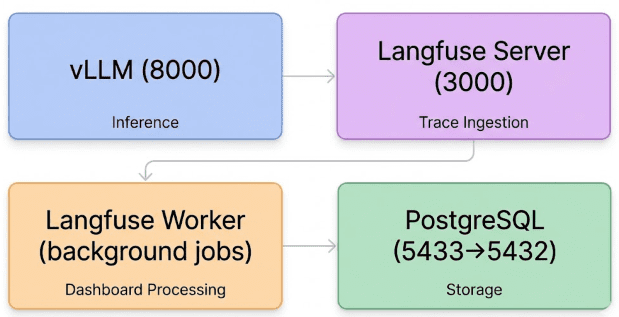
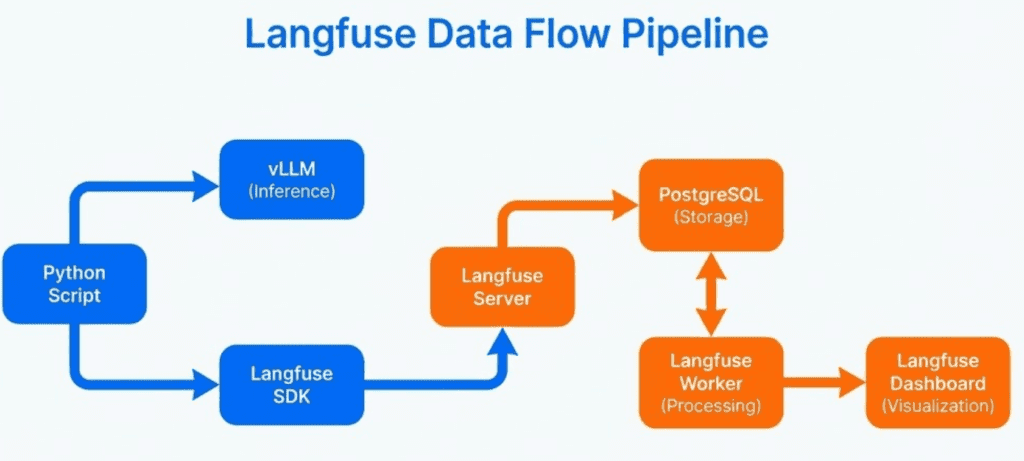
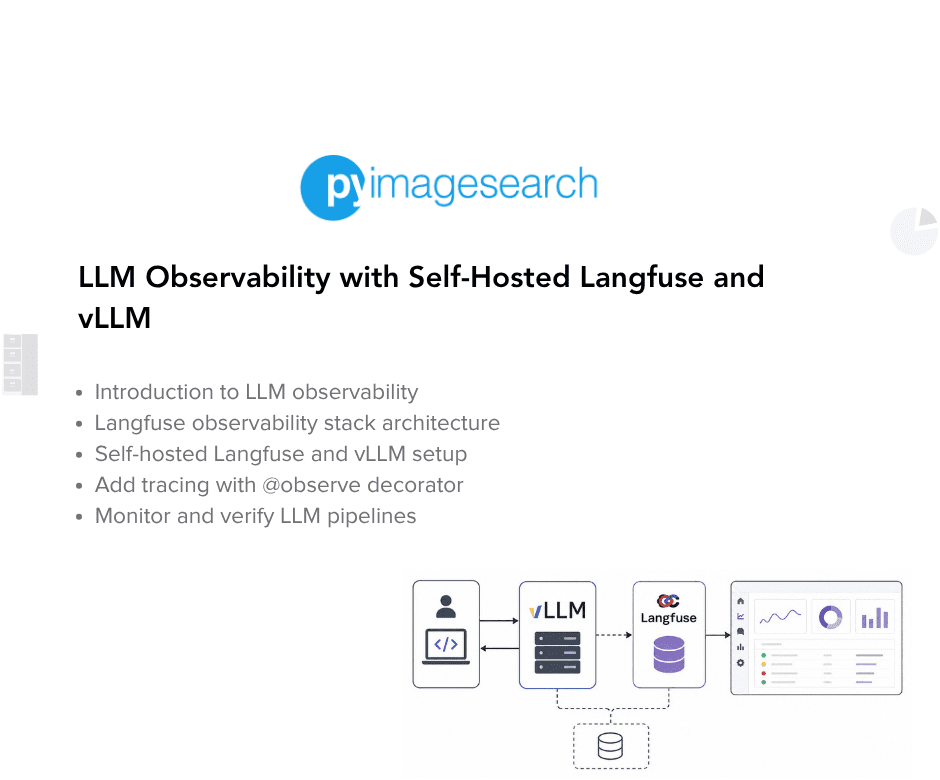
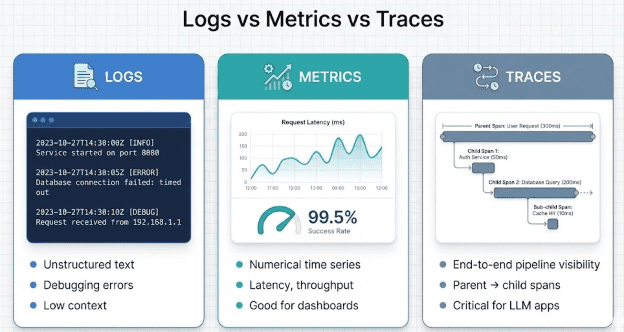
Table of Contents LLM Observability with Self-Hosted Langfuse and vLLM Introduction to LLM Observability with Langfuse How Langfuse Fits into an LLM Observability Stack Langfuse Architecture for LLM Observability Why Understanding LLM Observability Architecture Matters Setting Up a Self-Hosted Langfuse and vLLM Stack Baseline LLM Application (Before Observability) Adding LLM Observability with the Langfuse @observe Decorator Running and Verifying a Self-Hosted Langfuse Observability Stack Summary In this lesson, you will finally demystify what Large Language Model (LLM) observability actually is. It is not just logs or print statements. It is a full, end-to-end view of how your AI system behaves in real-world conditions. You will learn why modern LLM apps need more than “it works on my machine,” and how traces, token usage, latency, and model interactions become powerful tools for debugging and optimization.…
Continue reading — create a free account

Join HashtagPLUS to read full articles, follow hashtags, vote, and join the conversation.

Read More