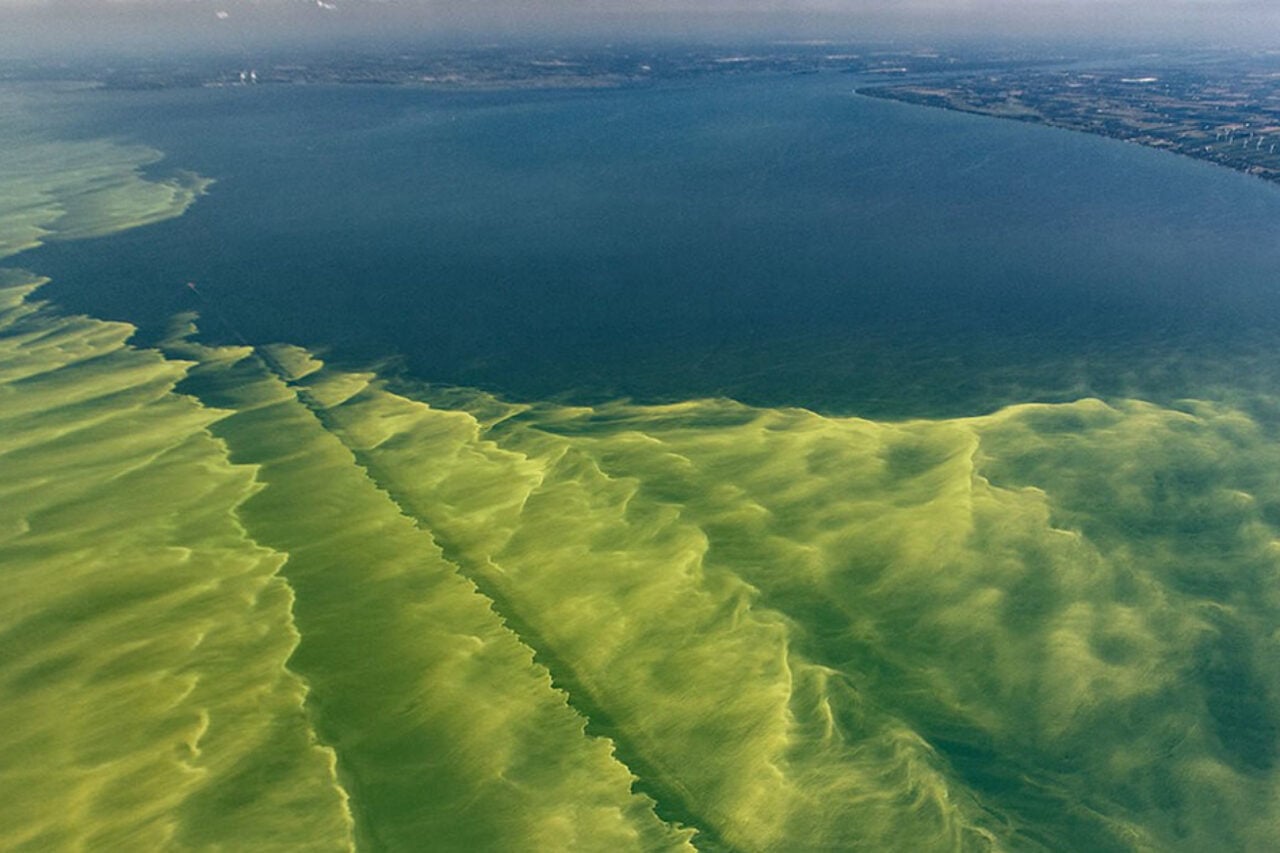
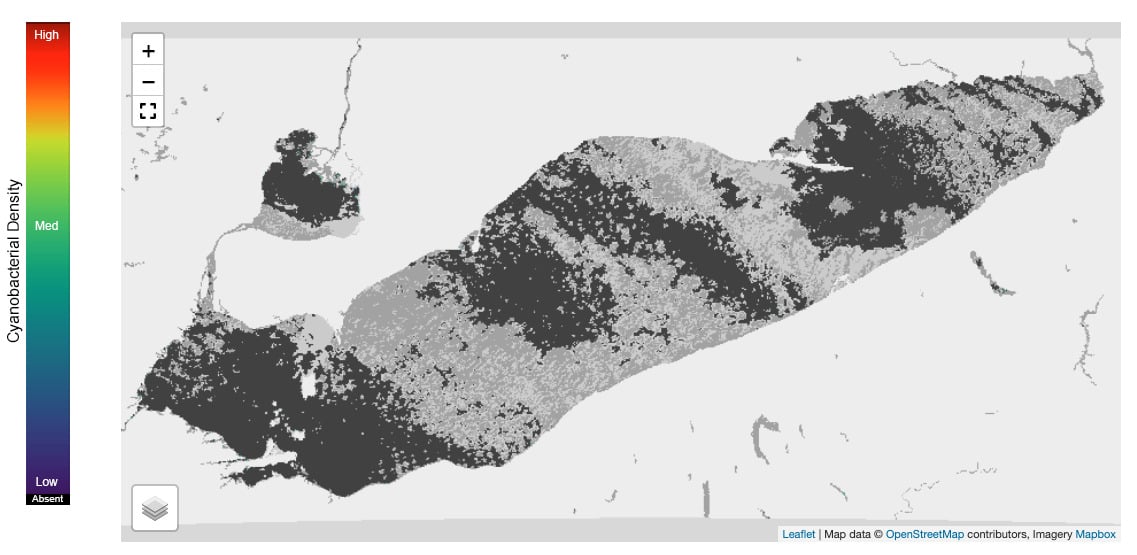
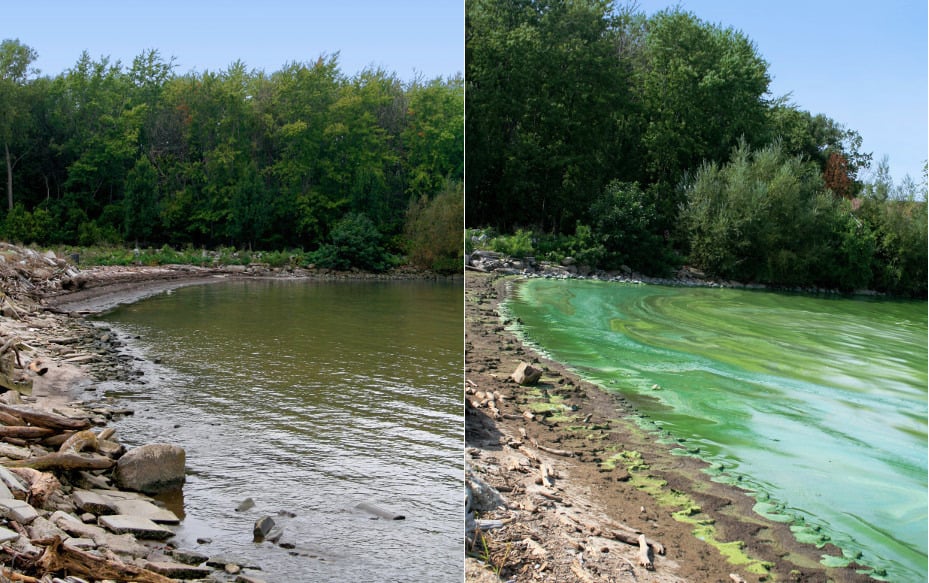
Every year, Lake Erie experiences seasonal blooms of cyanobacteria, which produce blue-green toxins that pose health risks to humans and animals. Accordingly, officials and scientists consistently monitored these events—and realized that the situation was actually more dire than they thought. For one, the algal toxins are more accurately a soup of several compounds that team up differently according to the season. The algal blooms produce varying types of toxins as the weather shifts across three separate phases. Concerningly, these compounds include chemicals that evade detection via conventional monitoring. These findings were detailed in two papers published in Environmental Toxicology and the ISME Journal . “A lot of people are aware of these algal toxins, but the big picture is that these harmful algal blooms are expanding with climate change,” Gregory Dick, senior author of both papers and an environmental scientist at the University of Michigan, said in a statement .…