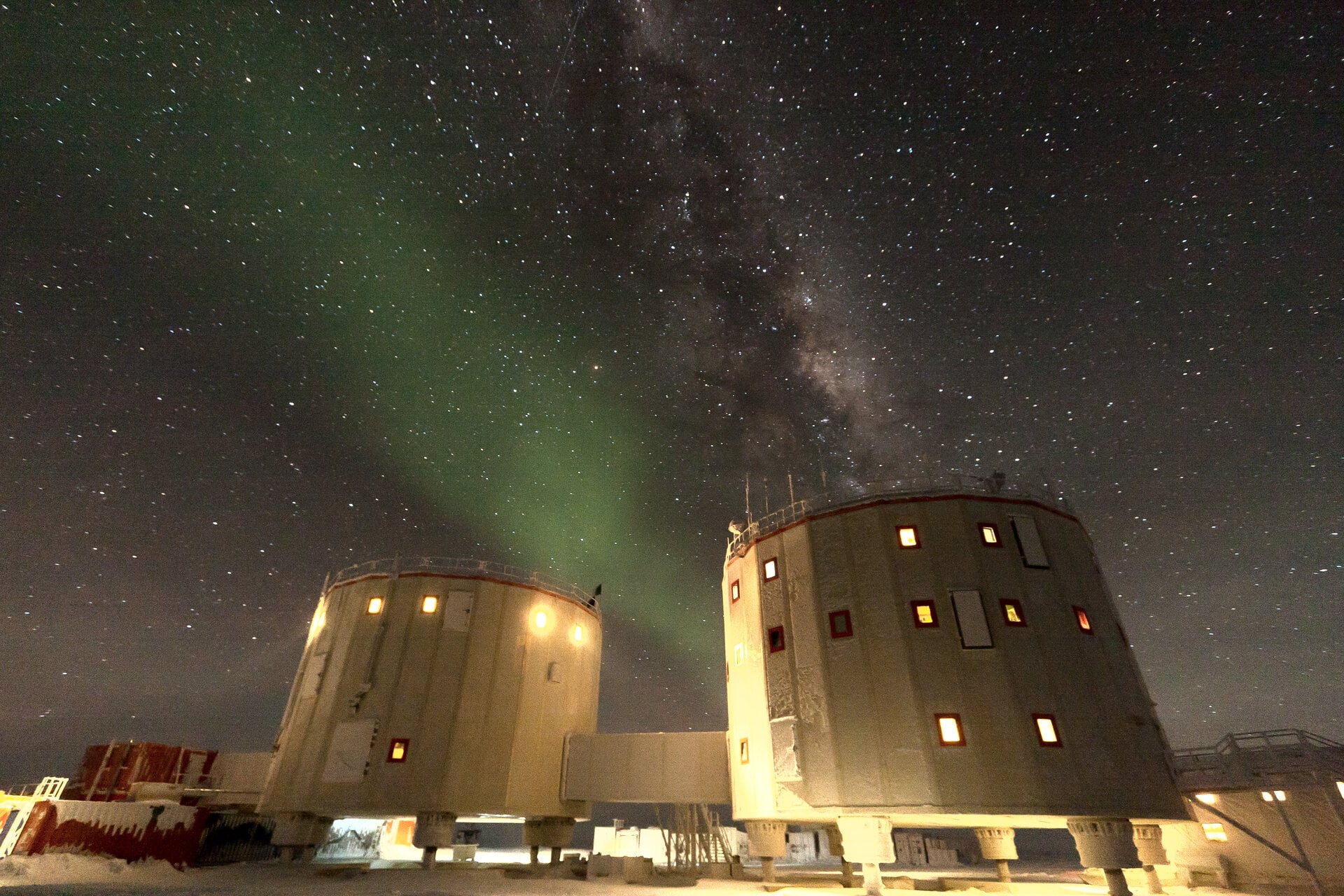
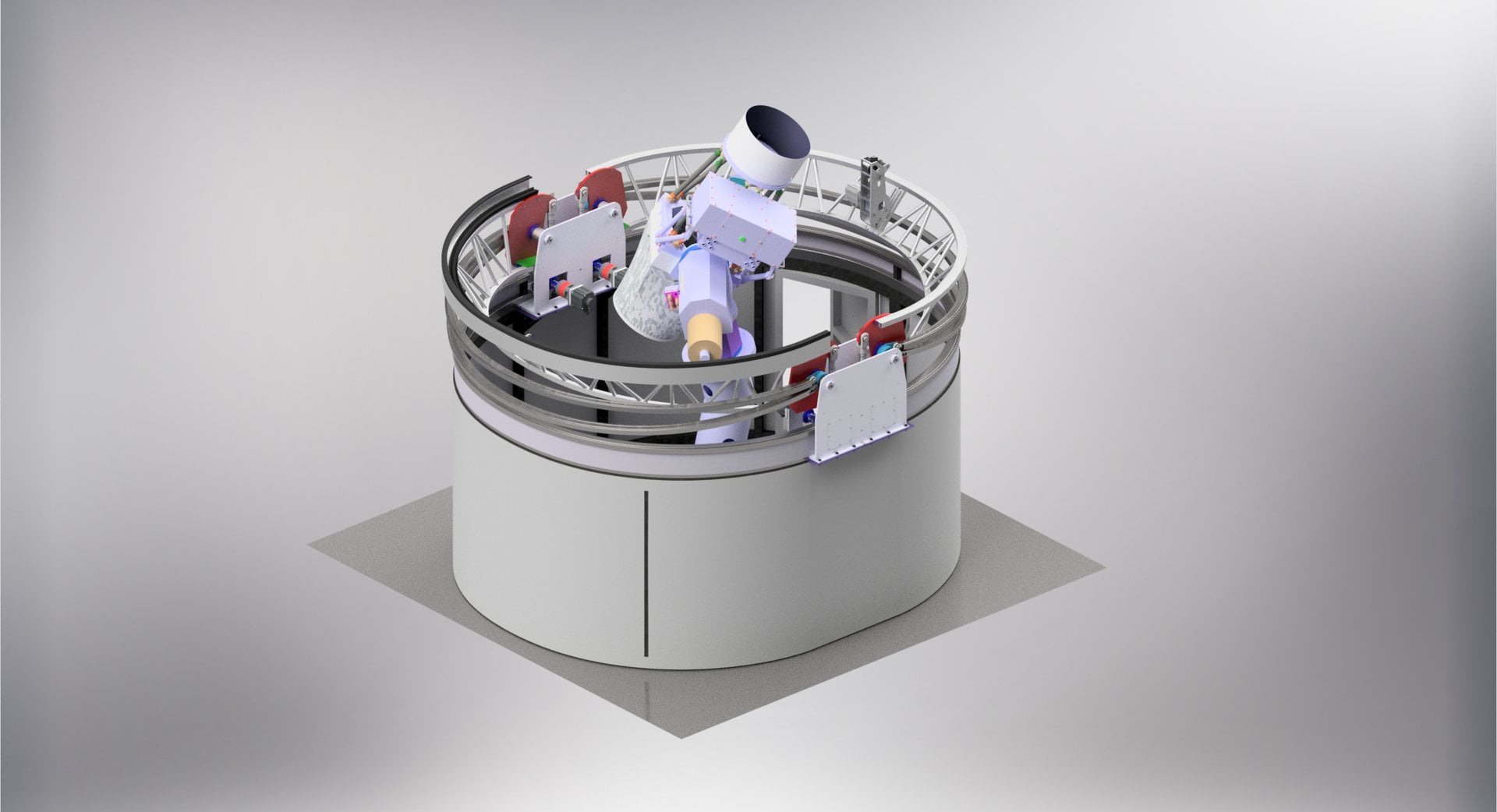
Antarctica, which harbors one of the harshest environments on Earth, would hardly seem to be a Valhalla for conventional astronomical observations. But for over a decade and a half, a French- and U.K.-led team of astronomers have been using a 40-cm telescope atop the high Antarctic plateau to look for transiting exoplanets. Transiting planets are those whose orbits transit across the face of their parent stars causing a slight dimming of the parent star. The ASTEP (Antarctic Search for Transiting ExoPlanets) telescope uses a technique known as visible photometry to detect such transits. When used in astronomy, photometry measures the intensity of light from celestial targets, most often in the visible spectrum. To date, ASTEP has contributed to the discovery of some twenty to thirty transiting extrasolar planets, all from its location some 1200km inland on the high Antarctic plateau.…