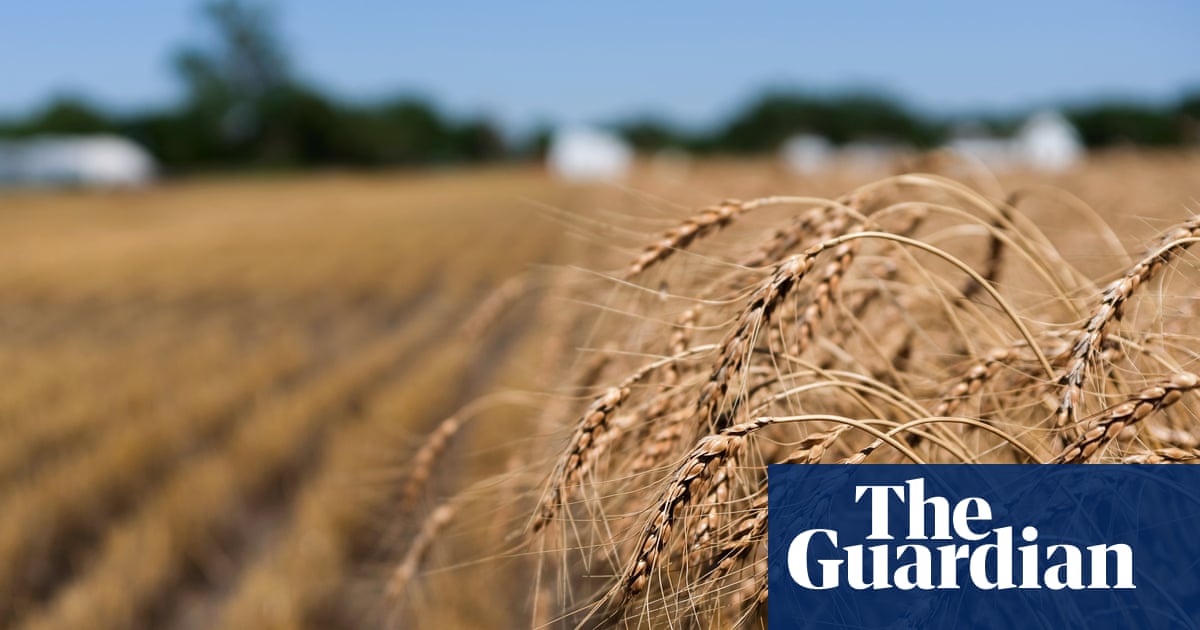
M errill Nielsen’s wheat crop looked healthy after he planted it in the fall on his 2,500-acre farm in north-central Kansas , about 50 miles west of Salina, the plants benefiting from higher-than-normal November rainfall. But an abnormally warm and dry winter, followed by extreme temperature variability, stressed the developing wheat. In the winter-to-spring transition, temperatures fluctuated from 70 to 80F on some days and lows in the teens or low 20s on other days. He jokes that the wheat “wasn’t sure whether or not to have its Bermuda shorts and sunglasses on and bake in the sun … or to have its winter coat on”. But the volatile weather destroyed his crop. This week, a crop insurance adjuster told Nielsen that, at best, his fields would yield two bushels per acre, compared with the normal upper-40s to mid-50s bushels per acre. “Crop will be terminated,” he texted a reporter, deciding not to harvest what little wheat grew.…