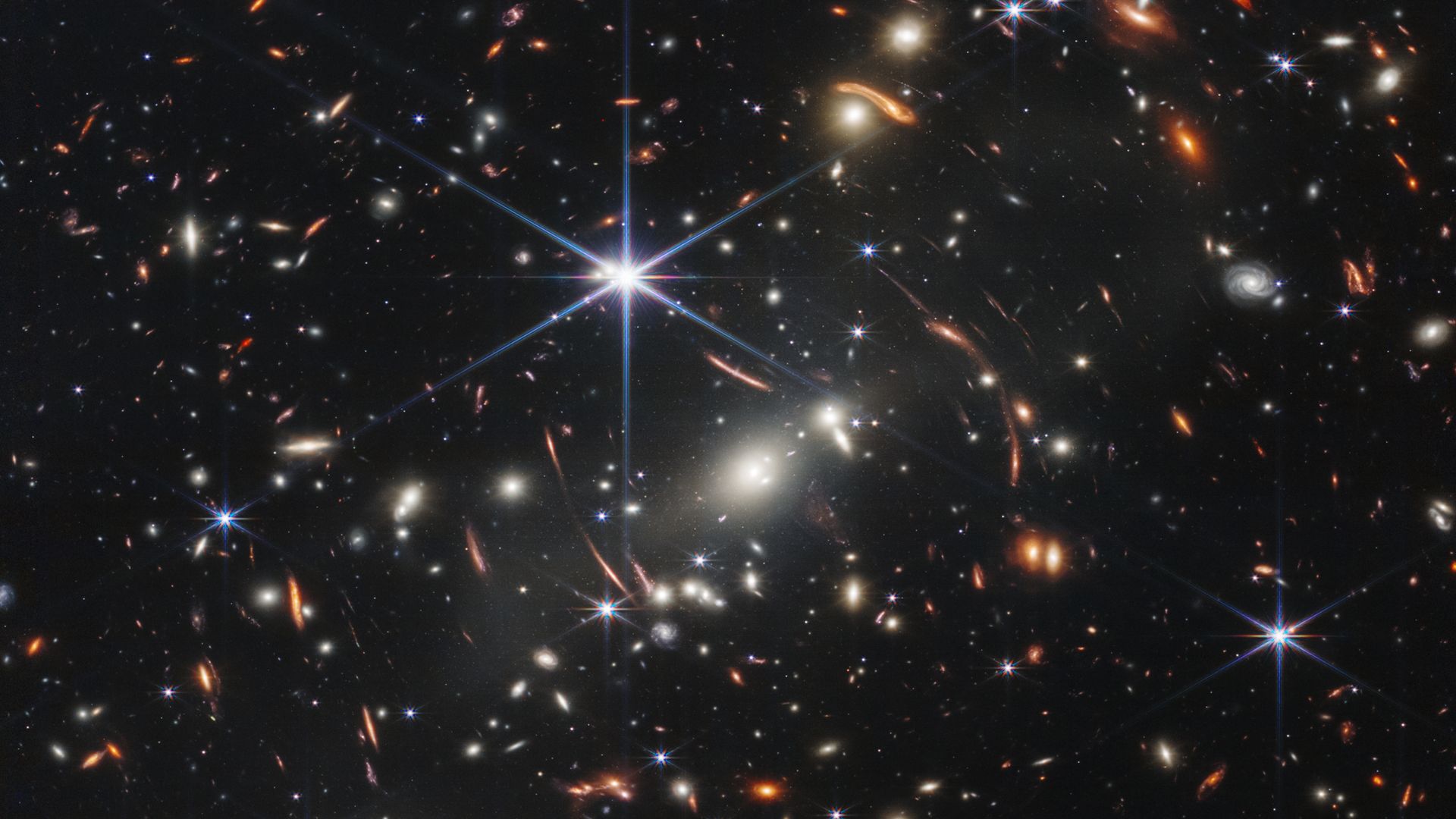
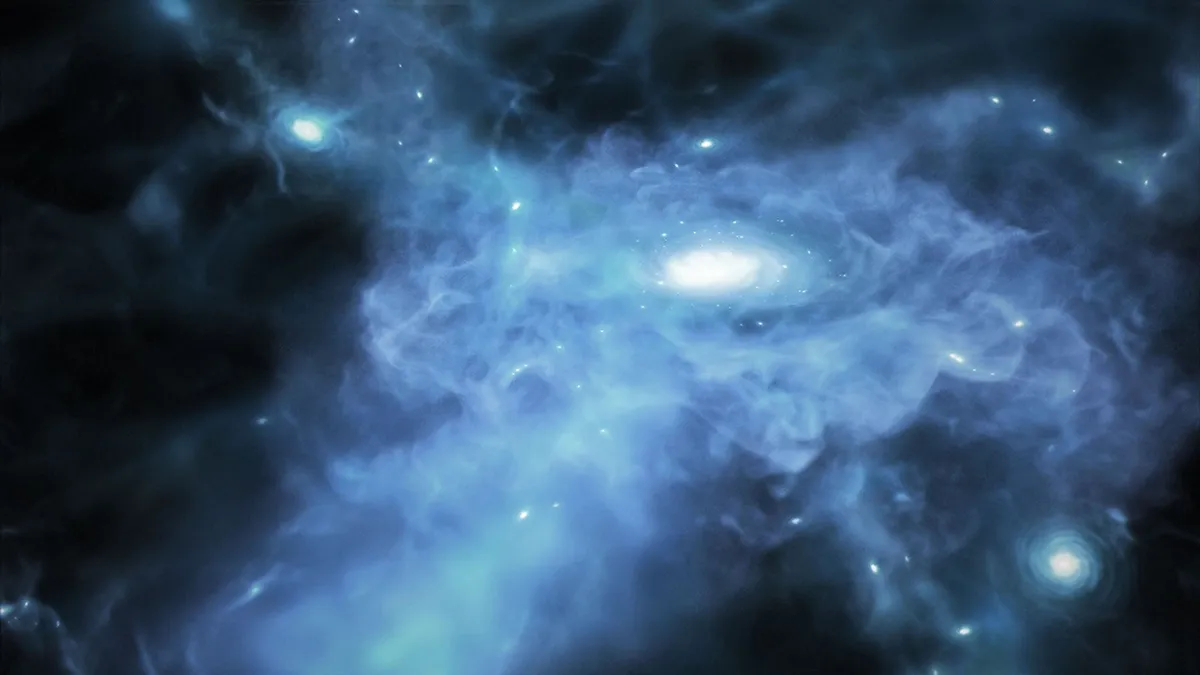
This deep-field image by NASA's James Webb Space Telescope shows some of the earliest and most distant galaxies ever seen. (Image credit: NASA, ESA, CSA, and STScI) In its infancy, the universe had a bit of an identity crisis. For the first few hundred million years, the vast cosmic gas between galaxies was primarily a chilly, dense affair. But then, it seemed to wake up, deciding to get all warm and fuzzy. This strange shift in the cosmos’ early disposition is a crucial clue to how the very first galaxies burst into being, shaping everything we see today. The early universe, a mere whisper after the Big Bang , just a few hundred million years old — that's when the first stars and galaxies were starting to flicker on, like fairy lights across a cosmic dark. The fuel for all this grand production: gigantic clouds of gas, mostly hydrogen.…