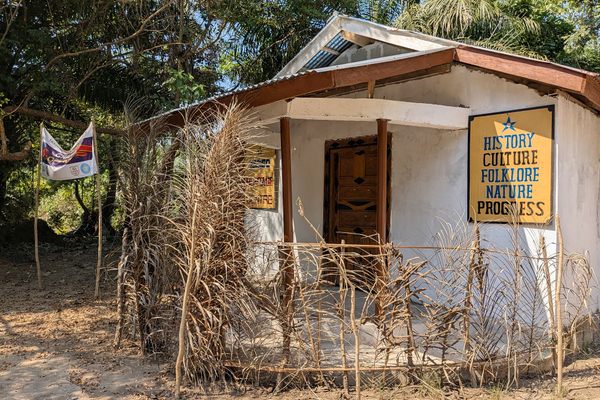
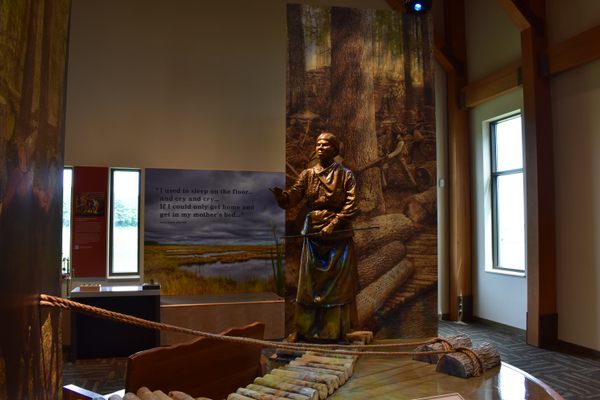
By 1860, the trans-Atlantic slave trade had long been outlawed, and most slaves in the United States were born on American soil. However, this didn’t prevent an avaricious pair of Americans from illegally purchasing 110 slaves in West Africa and bringing them to Mobile, Alabama. Under cover of darkness, the slaves were smuggled into the country and the ship, the Clotilda, was burned in order to hide the evidence. Less than a decade later, slavery would be abolished throughout the United States, and many of the people brought on the Clotilda were able to reconnect and found a settlement in Mobile called Africatown in 1868. Not only was it one of the most successful African-American towns in the country, but it also had a distinctively African set of cultural and linguistic practices that tied it back to the residents’ homeland, as famously documented by author Zora Neale Hurston’s work with the towns residents.…