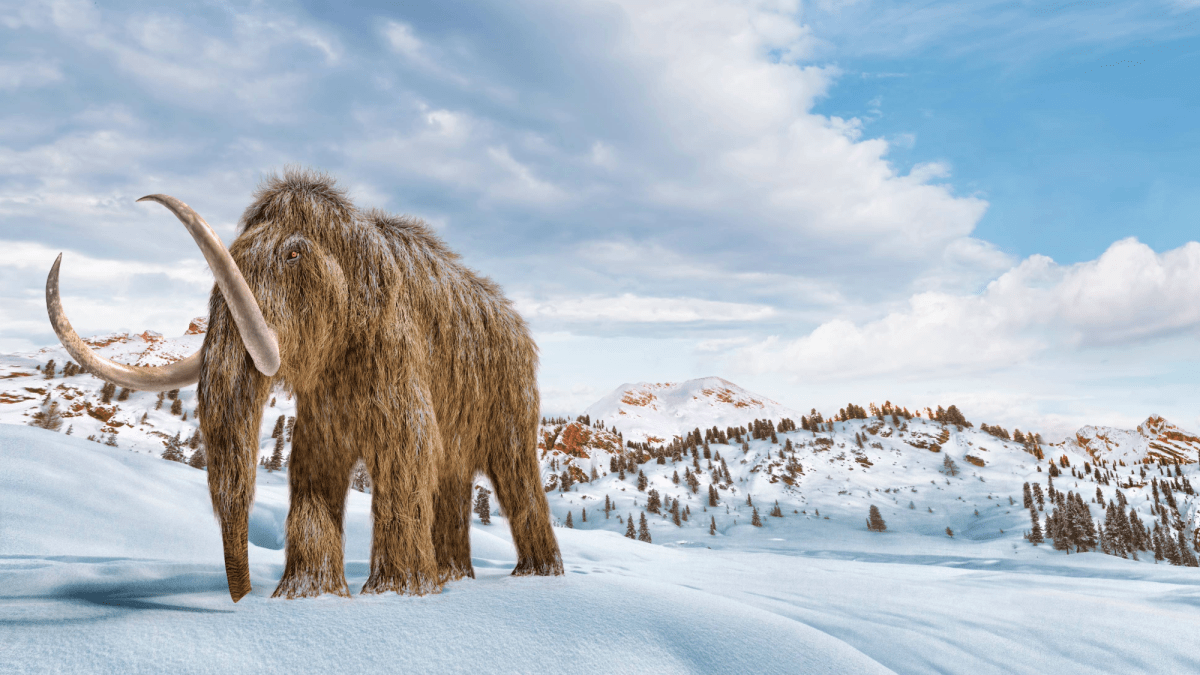
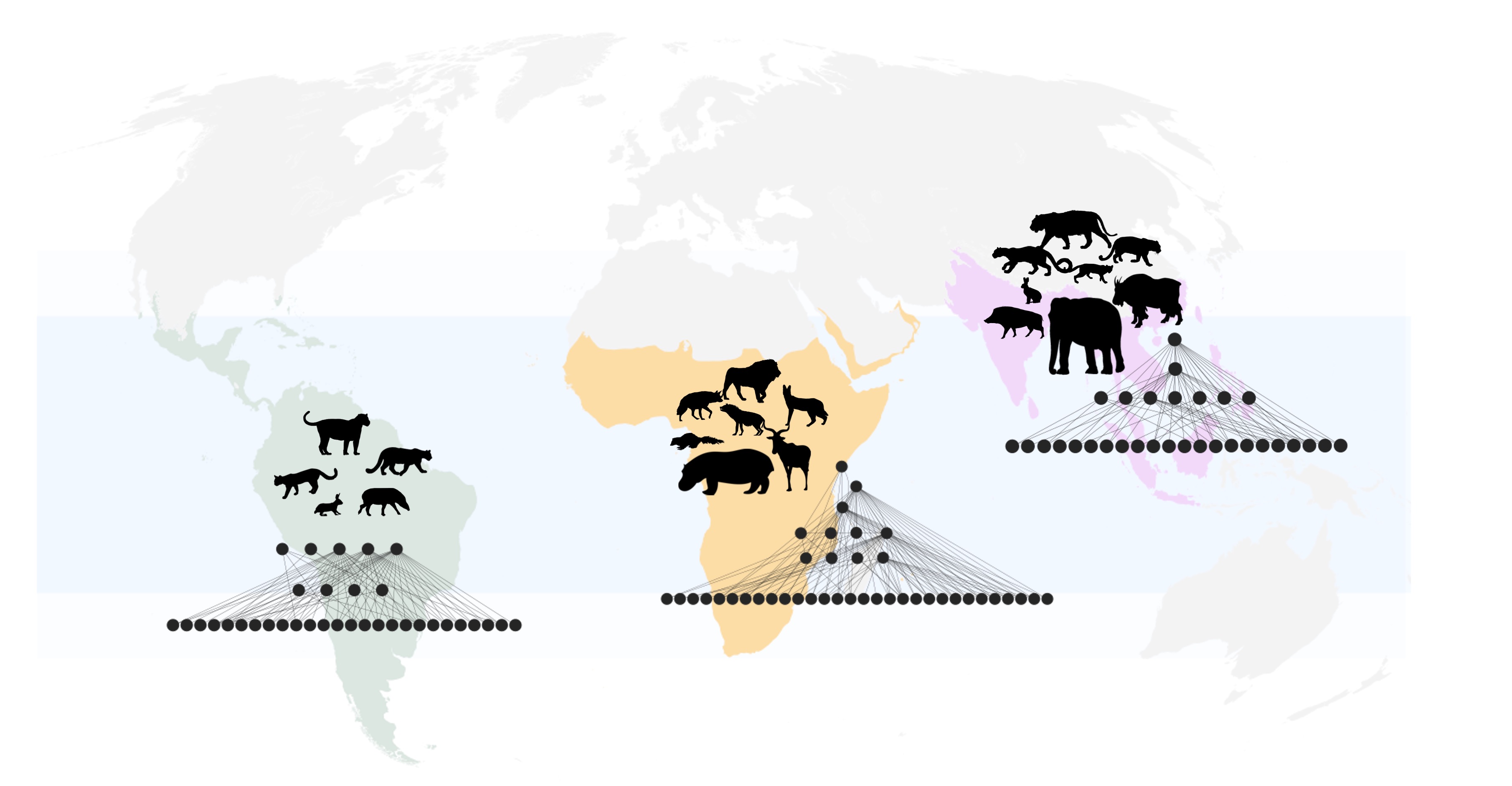
An illustration of what a woolly mammoth may have looked like. These giant mammals went extinct about 10,000 years ago. Leonello Calvetti/Science Photo Library via Getty Images Get the Popular Science daily newsletter💡 Breakthroughs, discoveries, and DIY tips sent six days a week. There’s a gaping 2,000-pound hole in Earth’s food web. Saber-toothed cats with 7-inch-long fangs, sloths the size of elephants, wombats the size of cars , and many of the world’s largest mammals disappeared between 50,000 and 10,000 years ago. While 10,000 years may seem long ago to humans, that’s a blink of an eye in evolutionary time, and the disappearance of these megafauna still impacts us today. According to a study published in the journal Proceedings of the National Academy of Sciences ( PNAS ), disappearing megafauna fundamentally reshaped the food web for modern animals. These effects are also more pronounced in North and South Americas than in other continents.…