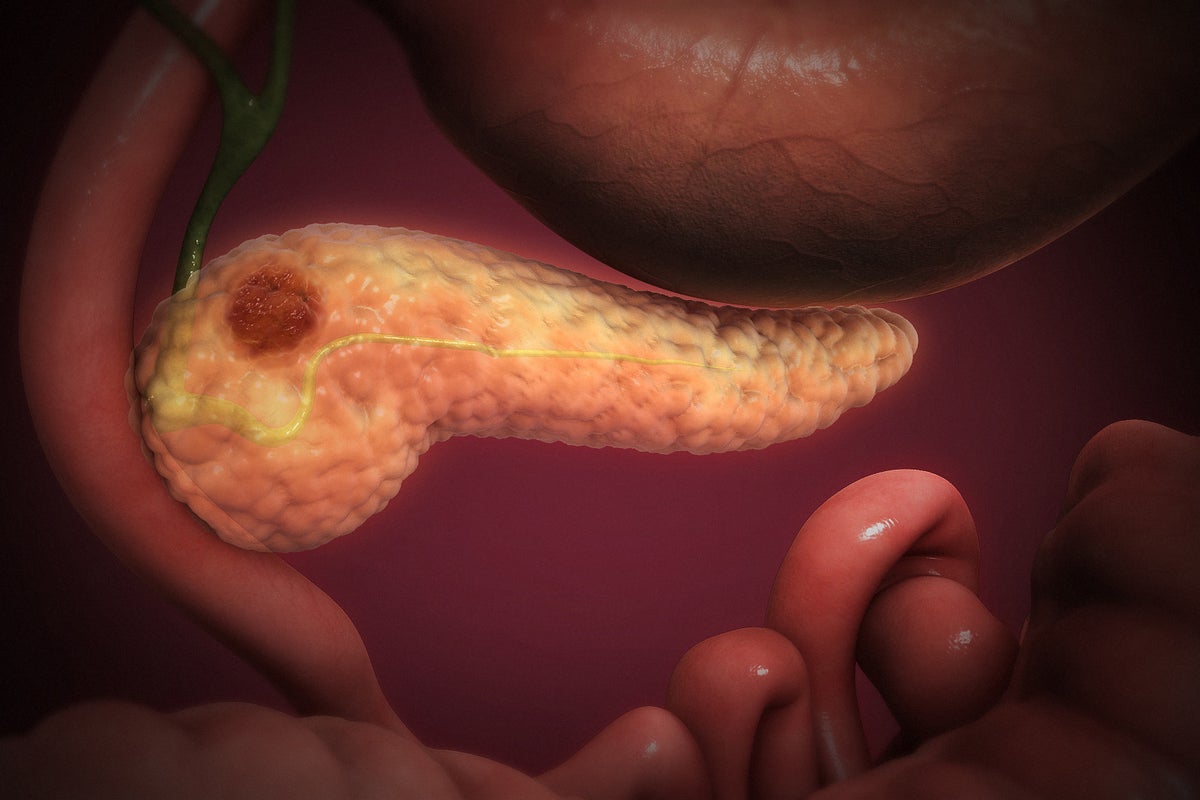
The drug daraxonrasib could be a potential new treatment to double the survival of advanced pancreatic cancer patients, a groundbreaking new clinical trial suggests. Pancreatic cancer patients often discover the disease after it has already spread and cannot be surgically removed. This makes chemotherapy the primary treatment option for most patients, with very few surviving beyond one year of diagnosis. More than 90 per cent of patients also have genetic mutations called KRAS driving their cancer, which, for a long time, was thought to make their disease untreatable. But a class of drugs called RAS inhibitors have emerged in the last decade as effective options to target mutated genes linked to cancer, like KRAS. These drugs have been found to “turn off” mutated RAS genes, frequently found in pancreatic, lung, and colorectal cancers, putting them into a dormant state.…