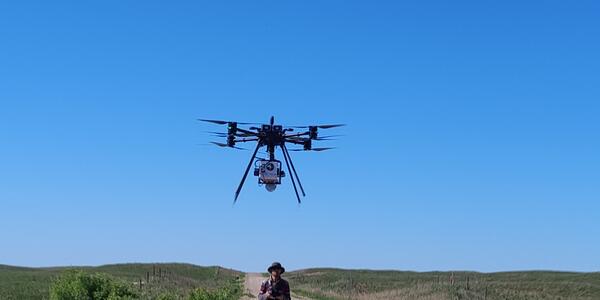
From the Mississippi River to the Rocky Mountains, the rolling prairie grassland ecosystems of the Southern Great Plains support unique grassland wildlife and rich vegetation. However, in recent years, invasive plants have proliferated, damaging biodiversity, altering ecosystem functions, and imposing significant and expensive challenges to grassland management. Lespedeza cuneata (L. cuneata) , a highly invasive legume, is one of the most aggressive invasive plants in this region. Recognizing the need to curb its spread and impacts, South Central CASC-supported researchers have worked to improve how the plant is detected and mapped. A prairie puzzle: using seasonal clues to spot invasives Invasive plants tend to stand out in their environment. Because of this, remote sensing, a data collection method where images are captured remotely from satellites or aircraft, is widely used as a cost-effective method to map species’ locations.…