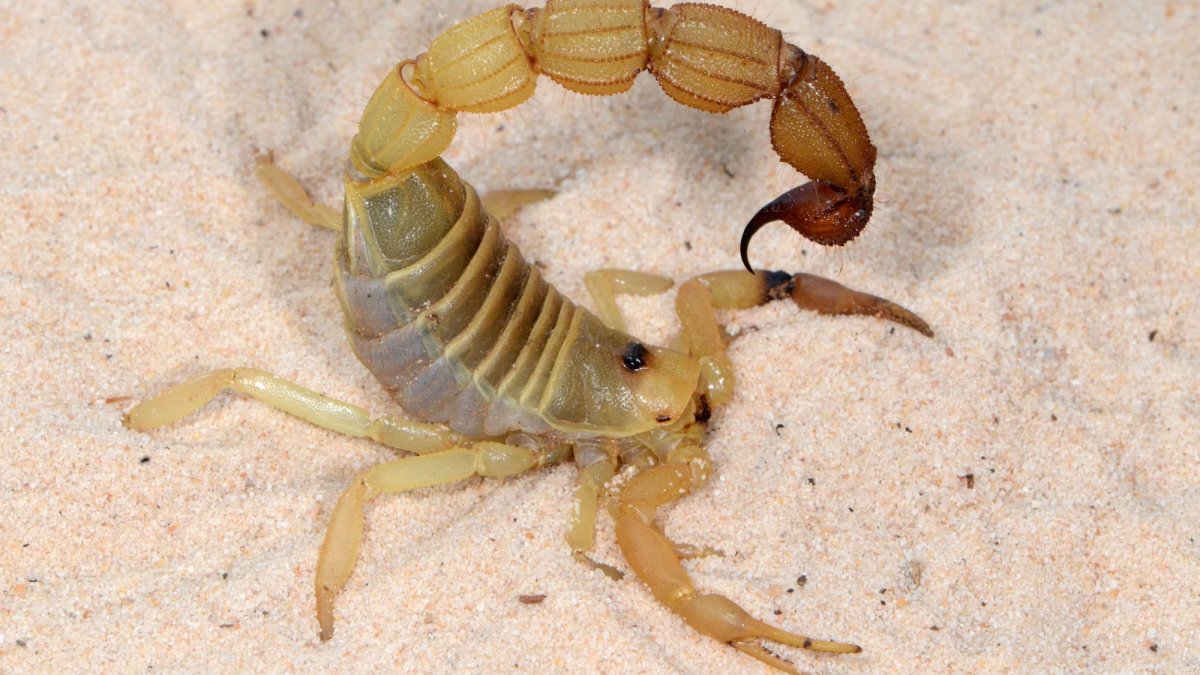
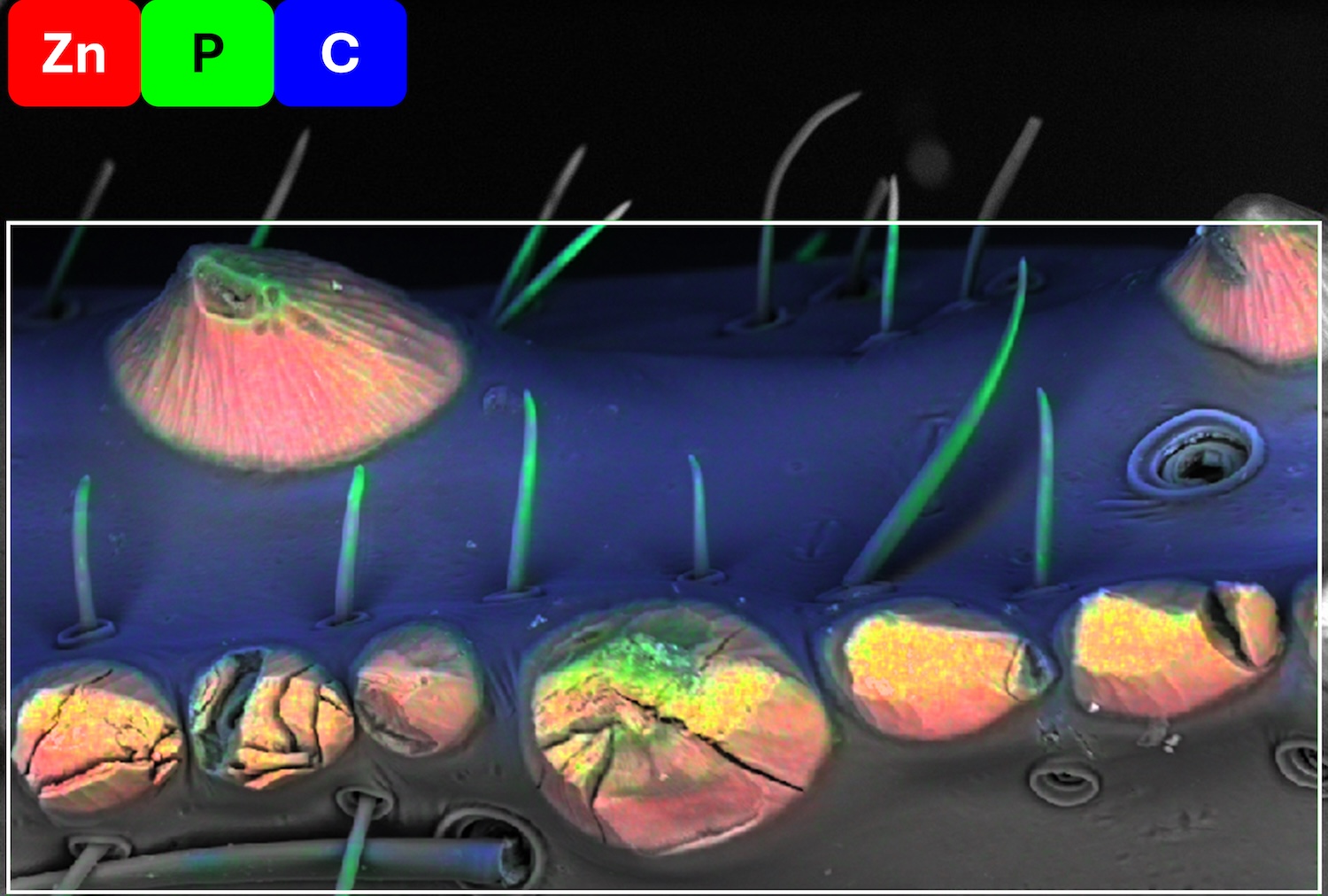
Rough thicktail scorpion (Parabuthus raudus). Paratuthus scorpions' venom is quick-acting, so they do not need to rely as much on their pincers to capture prey. Credit: Peter Webb, some rights reserved (CC-BY-NC) Get the Popular Science daily newsletter💡 Breakthroughs, discoveries, and DIY tips sent six days a week. Scorpions are optimized hunters, whose skills have been honed through millions of years of evolution. An armored exoskeleton, strong pincers, a poisonous stinger —almost everything about their anatomy aids in either hunting insects, small mammals, and reptiles, or defending themselves from snakes and birds. But for years, entomologists were aware of a potential secret weapon in the arthropods’ biology : metallic reinforcements. Researchers previously detected trace metals in the exoskeletons of at least some of the estimated 3,000 known scorpion species. At the same time, experts were unsure about the distribution and concentration of these metals.…