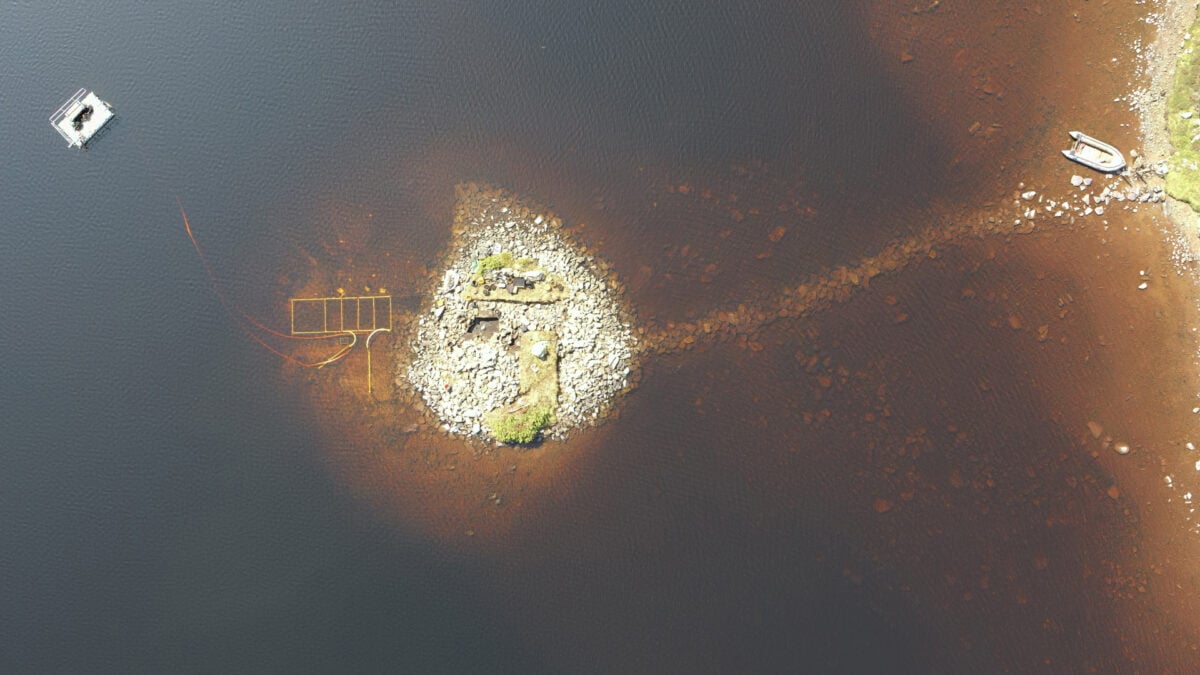
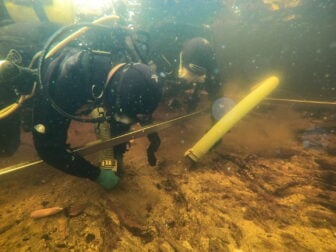
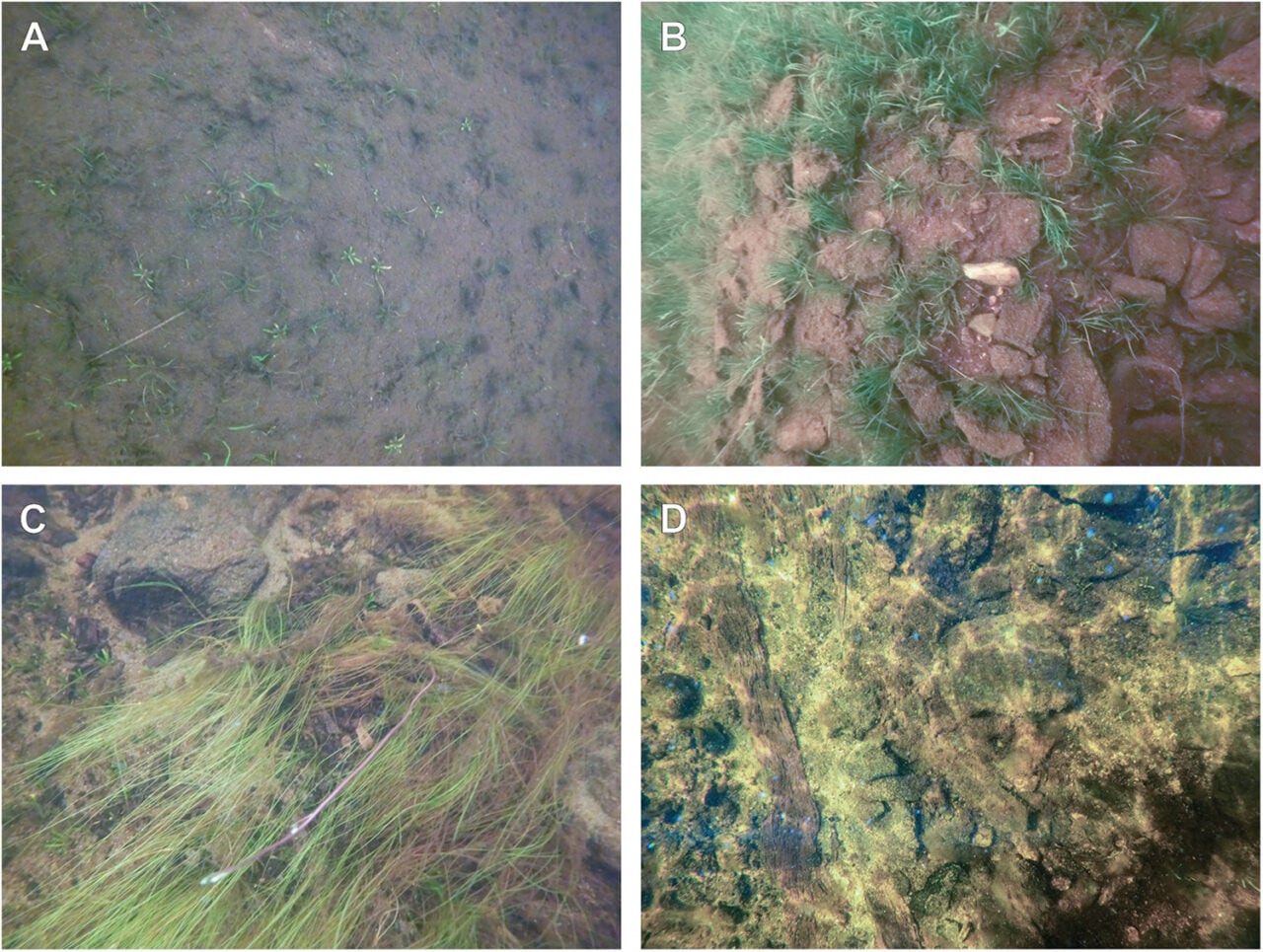
Artificial islands incite images of grand, lavish floats that support modern human activity. In archaeological history, however, artificial islands have existed for as long as humans have known how to build things—including the hundreds of artificial islands lying beneath Scottish waters. These “crannogs” are typically made of wood and stone. As crannogs were mostly underwater, methodological barriers prevented researchers from discovering and exploring them extensively. But one team of archaeologists based in the U.K. developed a novel strategy based on stereophotogrammetry, which records the landscape above and below water as a continuous image. This workflow enabled the team to investigate crannogs with much greater precision, according to a recent Advances in Archaeological Practice paper on the findings. Notably, some crannogs were confirmed to be over 5,000 years old, which puts them at par with sites such as Stonehenge.…