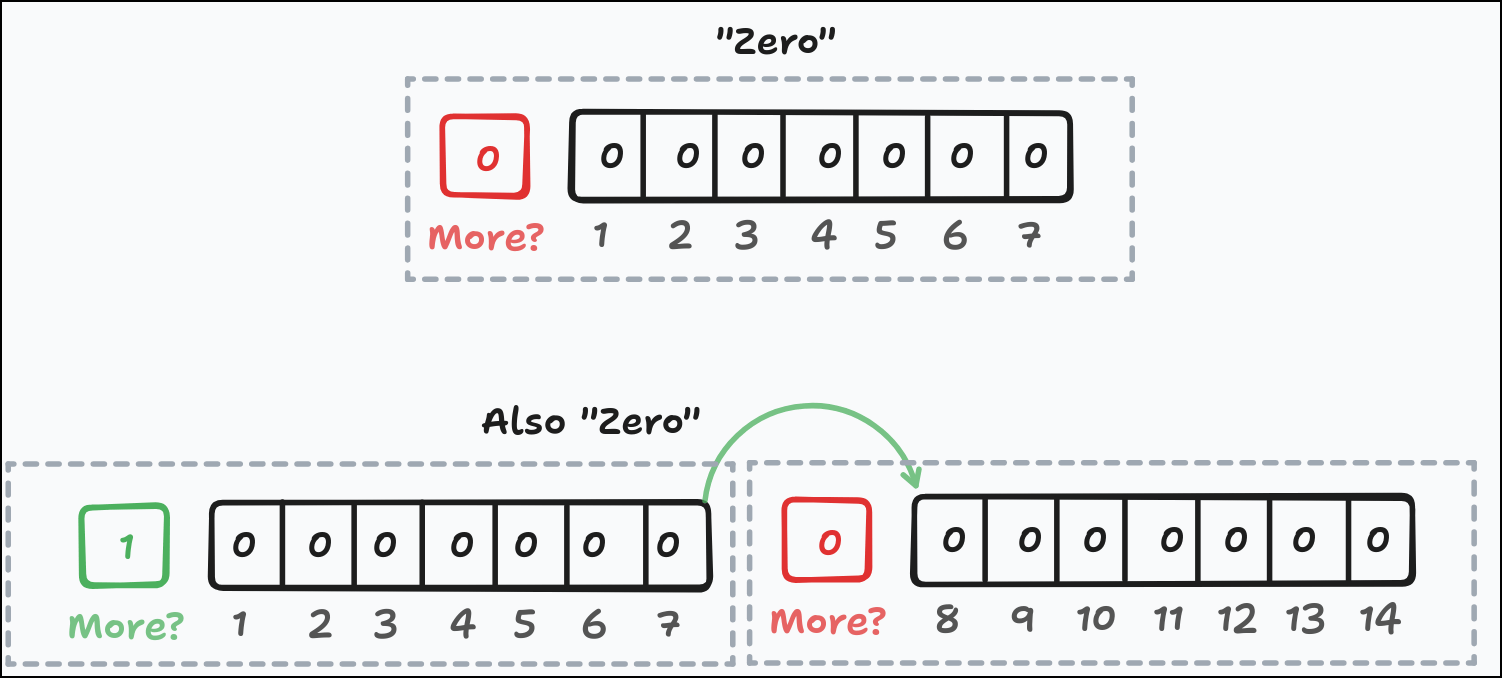
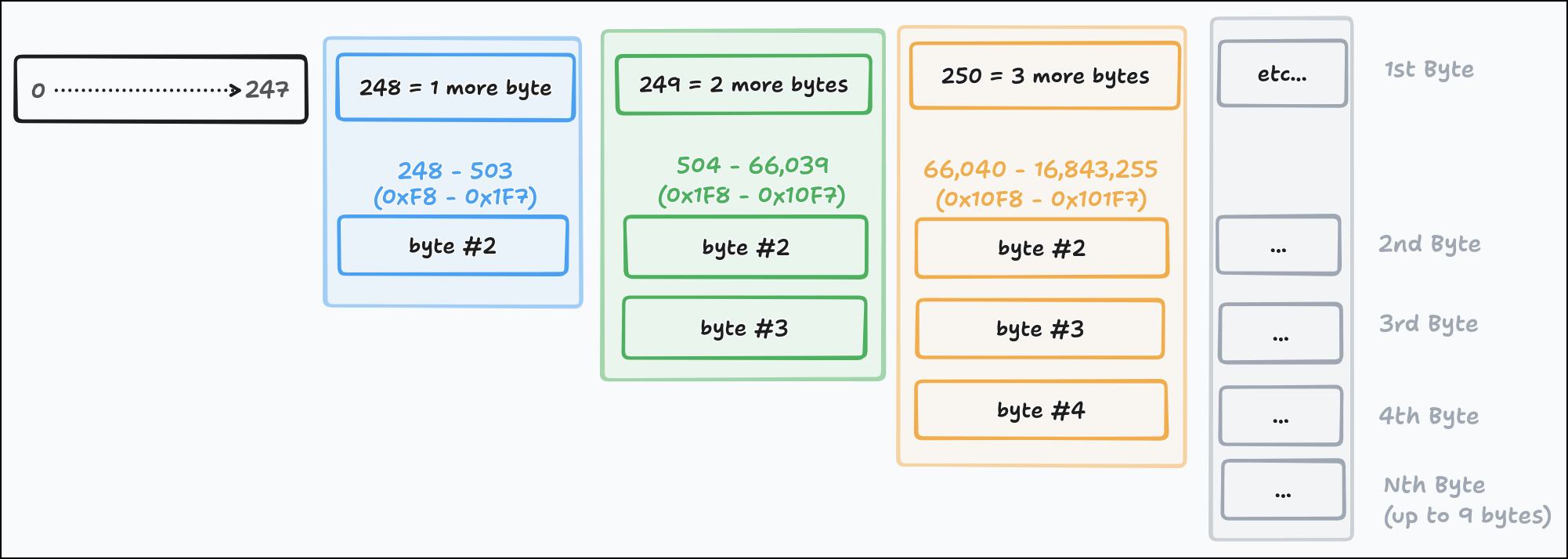
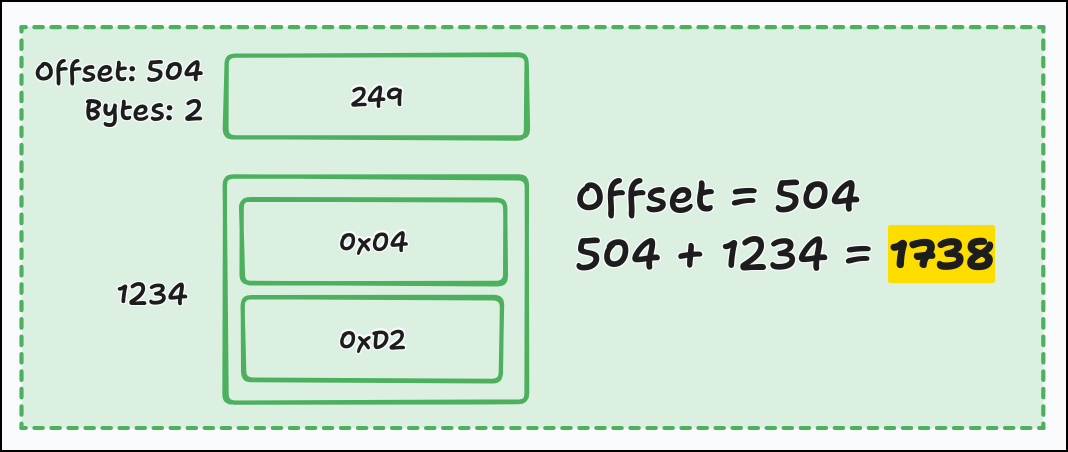
It’s nice when you work on security and accidentally get some performance for free. This is the story of a small encoding called bijou64 — a variable-length integer (varint) encoding that we developed for the Subduction CRDT sync protocol. It was intended to fix a subtle signature-verification bug by making each number only representable a single way. It turned out to also run a few times faster than the more common varint LEB128 . We didn’t set out to write a fast varint, but it turns out that our design constraints made for an encoding that has to do less work. The Problem Many binary protocols need a compact way to encode integers that are usually small but occasionally large. Variable-length integer encodings (“varints”) solve this, but most designs treat canonicality as an afterthought — something enforced by a runtime check in the decoder rather than by the structure of the encoding itself. Since it’s the most common varint, we’re going to pick on LEB128 a bit here.…