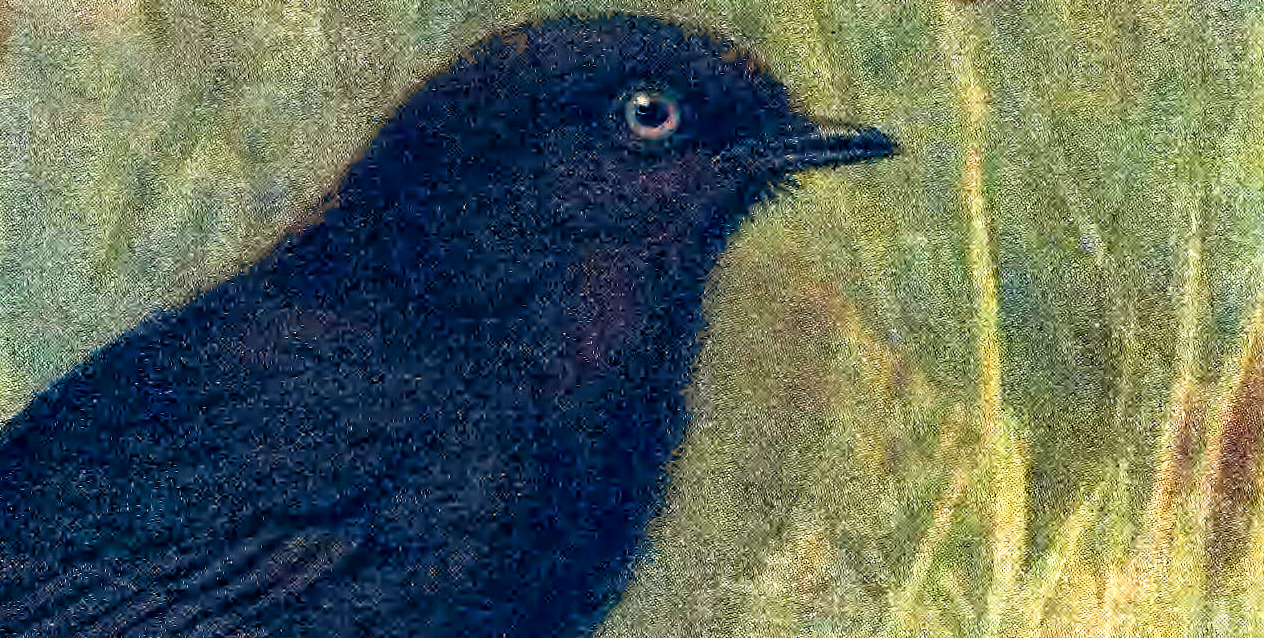
This essay is adapted from Traversal . “In the great chain of cause and effect,” Alexander von Humboldt wrote as he was teaching science to read the poetry of nature , “no single fact can be considered in isolation.” When the first European colonists made landfall on New Zealand’s shores in Humboldt’s lifetime, the cats and rats that descended from their ships began decimating the native population of black robins — sparrow-sized birds with yellow-soled feet that had evolved without mammalian predators, mate for life in monogamous pairs, and raise only two chicks per year in cuplike nests close to the ground. Bird by bird, claw by claw, there were only seven survivors within a century. Black robin among other native birds (John Gerrard Keulemans, 1907) Desperate to encourage the survivors to breed, conservationists moved them to Mangere Island, where twenty thousand trees were planted just to provide a hospitable habitat for the robins.…